Sustainable Seafood
Feeding the future, restoring the ocean
What We Do
We develop sustainable aquaculture practices that help feed a growing world while restoring wild fisheries and strengthening coastal economies. Our research supports a full cycle of innovation—from hatchery breakthroughs to ocean replenishment and farm-to-table food systems.
Why It Matters
By 2050, the global population is expected to grow by 2.4 billion people. To meet the world’s food needs, we must produce 70% more food, and seafood will play a critical role. Currently, over 80% of seafood consumed in the U.S. is imported, and more than half of that is farmed. Sustainable marine aquaculture offers a vital solution to reduce reliance on imported seafood, replenish depleted fisheries, conserve freshwater resources, and strengthen food security.
Additionally, farming the sea supports local economies by creating valuable “blue economy” jobs in coastal communities.
Our work ensures aquaculture growth is environmentally responsible, scientifically sound, and economically valuable—benefiting people and the planet alike.
Key Focus Areas
Fisheries Replenishment
Releasing sustainably cultured fish into the wild to restore declining populations—most notably white seabass through the Ocean Resources Enhancement and Hatchery Program (OREHP), and expanding to California halibut and other finfish via the Dick Laub Fisheries Replenishment Program (DLFRP).
Farm-to-Table Aquaculture
Demonstrating how marine finfish, invertebrates, and seaweeds can be raised for direct human consumption, farming the seas like we do the land to bridge research with real-world seafood solutions. Bridging research with real-world seafood solutions, we demonstrate how marine finfish, invertebrates, and seaweeds can be cultivated for direct human consumption, effectively “farming the seas” as we do the land.
Integrated Multi-Trophic Aquaculture (IMTA)
Pioneering systems that combine fish, seaweed, and invertebrates to create efficient, low-impact aquaculture models. These systems recycle nutrients and reduce waste—mimicking natural ecosystems.
In-Depth Research Areas
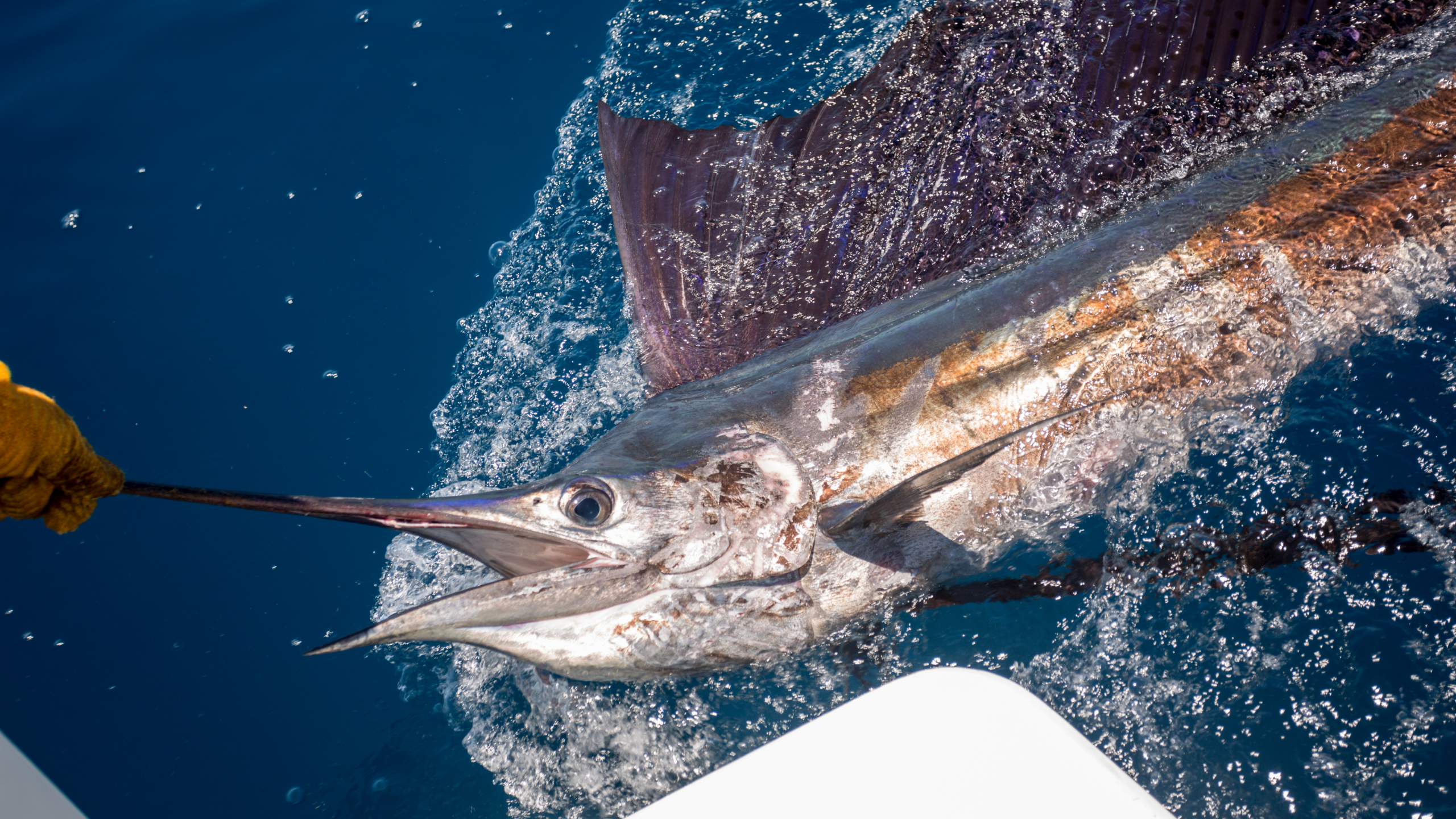
- Fish nutrition and diet development
- Fish health, disease prevention, and epidemiology
- Fish physiology and behavior
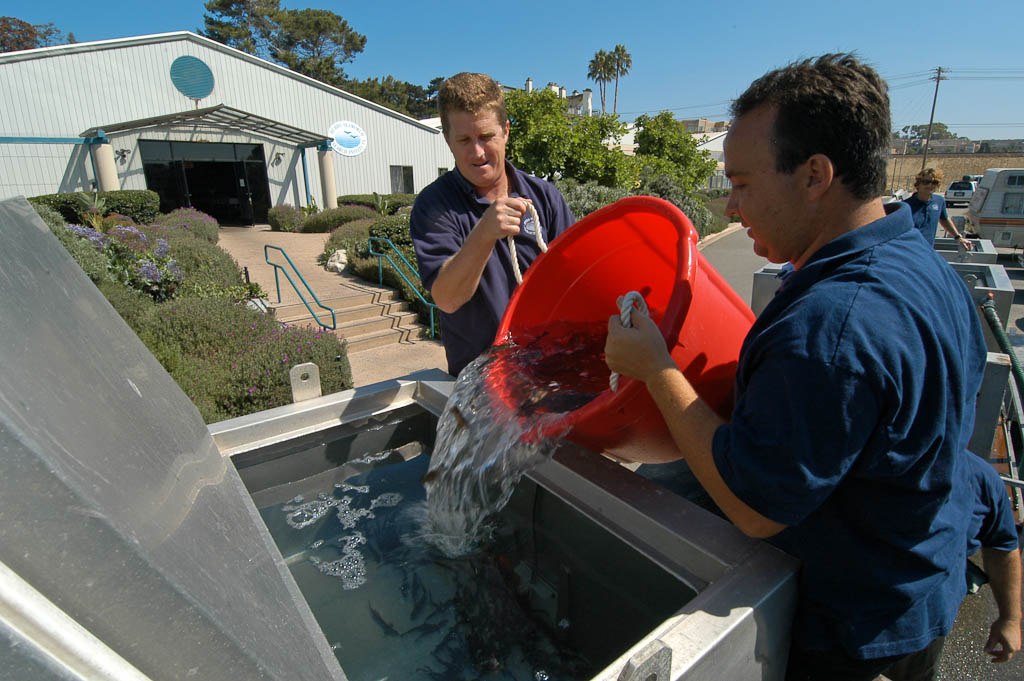
- Spawning and larval rearing techniques
- Genetics and selective breeding
- Environmental monitoring and ecosystem impact
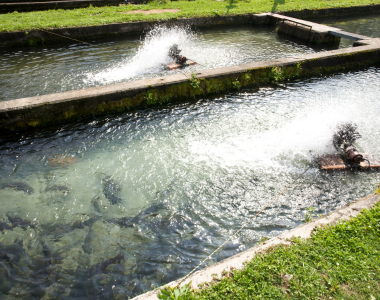
- Tagging, tracking, and population modeling
- Engineering and hatchery system design
- Applications for wild stock restoration and commercial food systems
Primary Research Areas
Fisheries Replenishment
Healthy, sustainable fisheries are essential for reliable seafood supply and thriving recreational angling opportunities. However, many threats exist in the marine environment that have led to declining fish abundances. Aquaculture offers a solution – cultured juveniles can be released to grow naturally in the wild and help restore fish populations.Hubbs-SeaWorld Research Institute is one of the leading proponents of this type of fisheries replenishment in the United Sates. Since the early 1980’s, we have been developing the aquaculture technology and expertise to release millions of white seabass (Atractoscion nobilis), a species highly prized by seafood consumers and anglers in California. Through the support of Dorothea Laub, Paul and Norma Fruchbom and Chevron Corporation, HSWRI established the Dick Laub Fisheries Replenishment Program in 2014. This program aims to build on the approach developed for white seabass (i.e. fisheries replenishment using releases of cultured fish) and apply it to other marine finfish species in southern California.Our scientists work across a wide variety of disciplines (e.g. nutrition, health, genetics) and collaborate with fishing communities, resource managers and academia, among others, to ensure that fisheries replenishment work is carried out to the highest environmental standards.
For more on white seabass replenishment: Ocean Resources Enhancement and Hatchery Program (OREHP)
For more on halibut replenishment: The Dick Laub Fisheries Replenishment Program
Farm to Table
Aquaculture products can be used to fill a wide range of marketing niches but they are most commonly associated with the production of food, similar to agriculture on land. Most of the species of fish cultured commercially in the United States were originally developed for stocking purposes. Once the main hurdles of spawning and larval rearing are overcome, the process of growing fish out for direct human consumption becomes a rather simple process from a biological and technological standpoint. Thus, demonstrating the feasibility of a direct farm-to-table approach was a logical transition for us to pursue from a research standpoint. Having a species that can be successfully stocked into the ocean and also raised directly for food is a winning combination.
Integrated Multi-Trophic Aquaculture
Our research team has long sought to diversify our portfolio of cultured organisms beyond finfish. Recently we received two grants that is allowing us to do just that. The first project is focused on a combination of fish and seaweed, while the second will add invertebrates like mussels to that formula. Here we describe the first project where the primary goal is to establish a land-based pilot program for rearing native marine macroalgae that compares stand-alone culture with an integrated multi-trophic (IMTA) approach. To execute this project we have teamed up with a company that specializes in seaweeds – Sunken Seaweed.