



Lorem ipsum dolor sit amet, consectetur adipiscing elit. Ut elit tellus, luctus nec ullamcorper mattis, pulvinar dapibus leo.
Lorem ipsum dolor sit amet, consectetur adipiscing elit. Ut elit tellus, luctus nec ullamcorper mattis, pulvinar dapibus leo.
Lorem ipsum dolor sit amet, consectetur adipiscing elit. Ut elit tellus, luctus nec ullamcorper mattis, pulvinar dapibus leo.
Lorem ipsum dolor sit amet, consectetur adipiscing elit. Ut elit tellus, luctus nec ullamcorper mattis, pulvinar dapibus leo.
Lorem ipsum dolor sit amet, consectetur adipiscing elit. Ut elit tellus, luctus nec ullamcorper mattis, pulvinar dapibus leo.
Expanding what’s possible in fisheries restoration
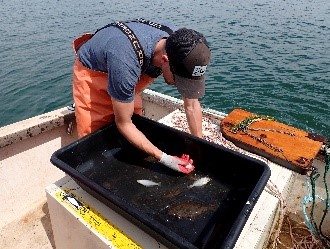
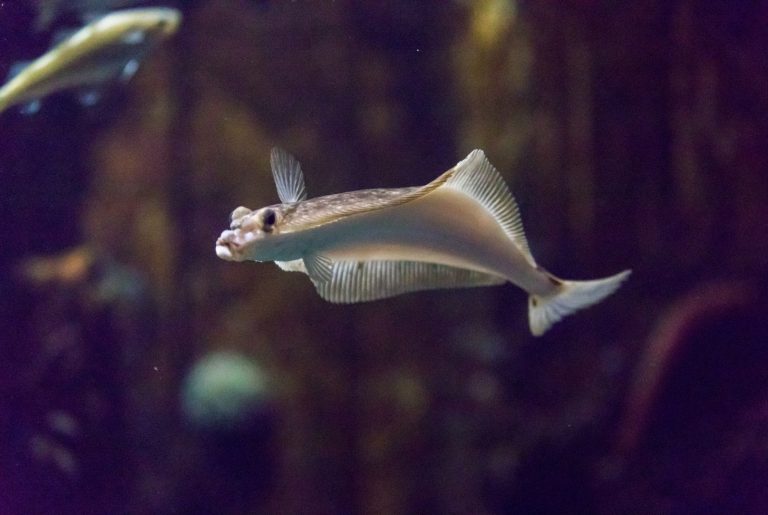
The Dick Laub Fisheries Replenishment Program builds on the success of the Ocean Resources Enhancement and Hatchery Program (OREHP) by expanding replenishment research to include additional marine finfish species, such as the California halibut and other candidates.
Established in 2014 with foundational support from Dorothea Laub, Paul and Norma Fruchbom, and Chevron Corporation, the program advances HSWRI’s leadership in science-based marine enhancement with an emphasis on scalable, species-specific solutions for coastal California.
While white seabass restoration has been a regional success story, broader ecosystem health and fishery resilience requires replenishment efforts that extend to other commercially and recreationally valuable species.
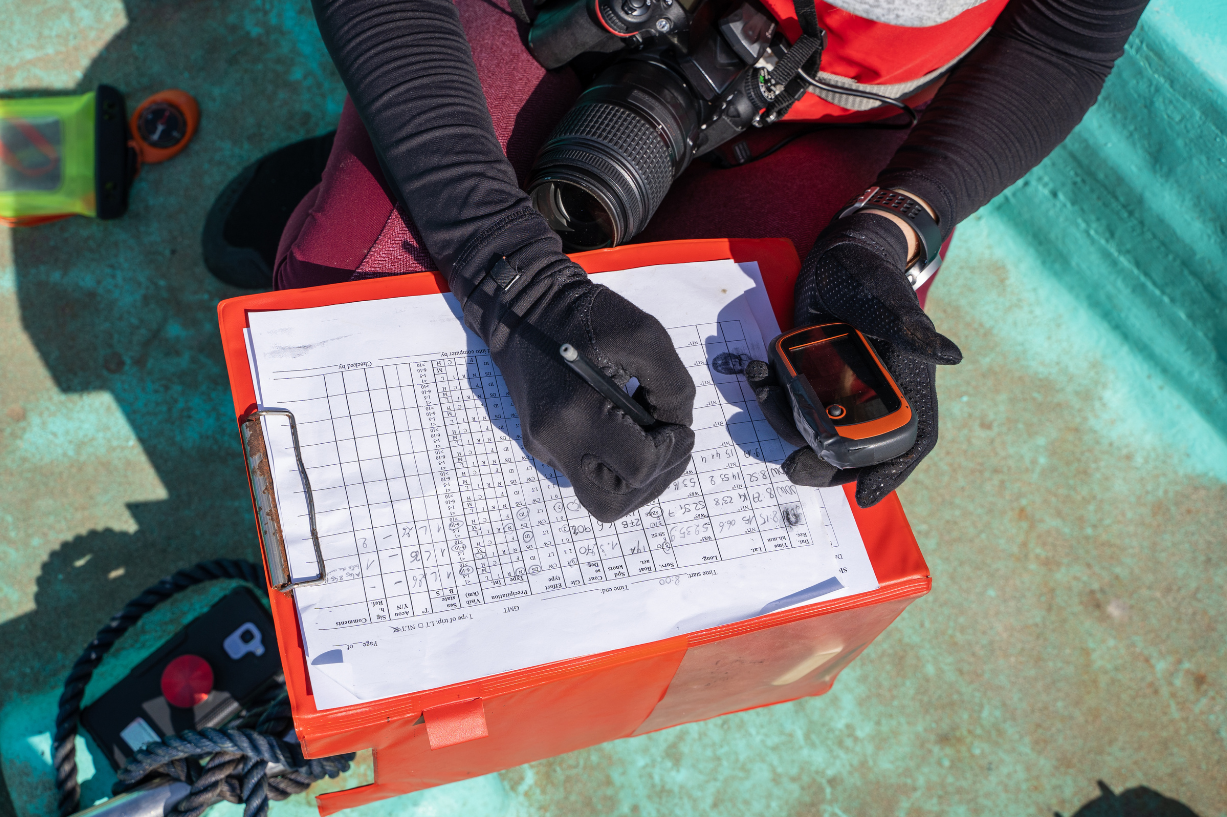
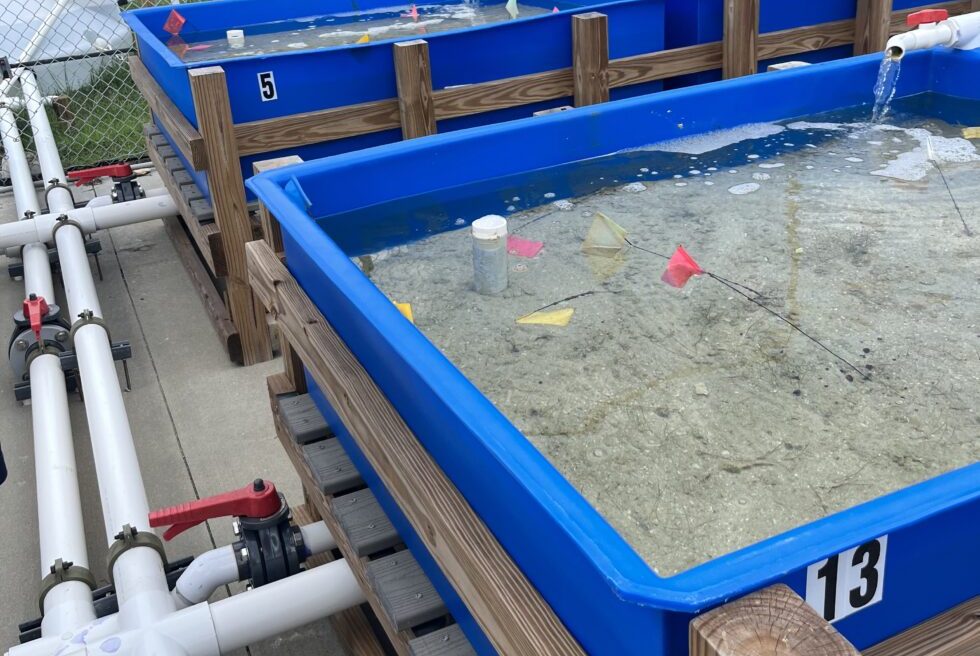
The DLFRP enables HSWRI scientists to refine hatchery technologies, test candidate species, and collaborate with regulators, anglers, and academic partners to build the scientific foundation for responsible multi-species enhancement.
Developing protocols for spawning, larval rearing, juvenile health screening, and release of Paralichthys californicus.
Investigating candidate species based on ecological role, population decline, fishery value, and biological suitability for culture.
Identifying and modeling optimal release environments based on habitat availability, ocean conditions, and population data.
Ensuring that cultured fish meet genetic diversity and biosecurity standards for wild stock integration.
Working with fishers, resource agencies, and coastal communities to maintain transparency and public trust in marine enhancement efforts.
Operates under rigorous scientific protocols developed through decades of HSWRI aquaculture leadership.
Builds on proven infrastructure, including the Leon Raymond Hubbard, Jr. Marine Fish Hatchery.
Supports long-term vision for ecosystem-scale restoration, food security, and coastal economy resilience. The DLFRP serves as a platform for innovation in applied marine science—informing future hatchery-based enhancements, improving aquaculture sustainability, and preparing for region-wide implementation of next-generation fishery solutions.