Florida Research & Conservation Initiatives
Safeguarding marine life along Florida's east coast
Florida’s coastlines are rich in biodiversity and increasingly at risk. At Hubbs-SeaWorld Research Institute’s Florida facility, we lead science-driven efforts to protect marine life, restore fragile ecosystems, and respond to animals in crisis. From rescuing stranded dolphins to monitoring dolphin populations and Indian River Lagoon health, our work supports restoration and conservation of this fragile ecosystem and its inhabitants.
These efforts don’t just benefit wildlife. They protect the natural resources millions of Floridians depend on for clean water, recreation, and resilience against climate change. Dive into our programs to see how science and community come together to safeguard Florida’s oceans.
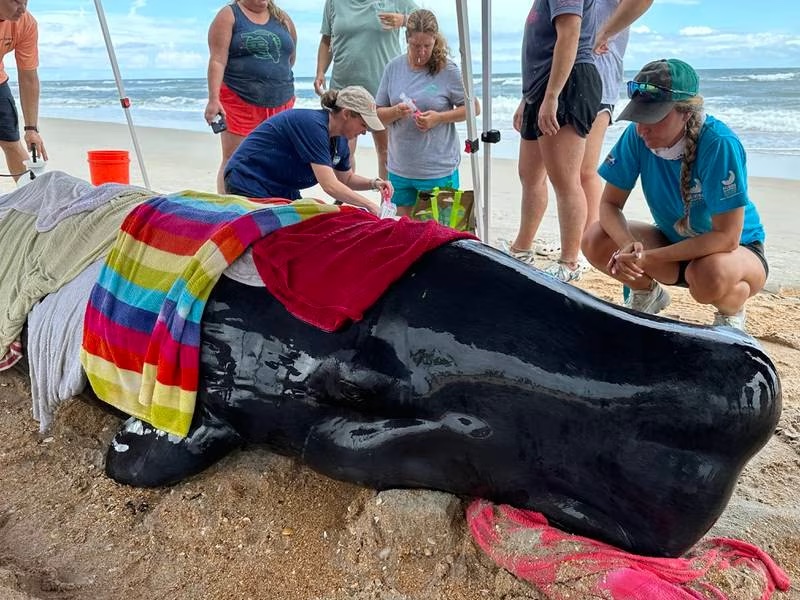
Marine Mammal Stranding Response
- Providing immediate assistance to stranded whales and dolphins
- Conducting health examinations and collecting samples to monitor marine mammal health
- Investigating causes of strandings and monitoring rescued animals post-release
- Collaborating with coastal communities to reduce marine mammal injuries
Indian River Lagoon Ecology
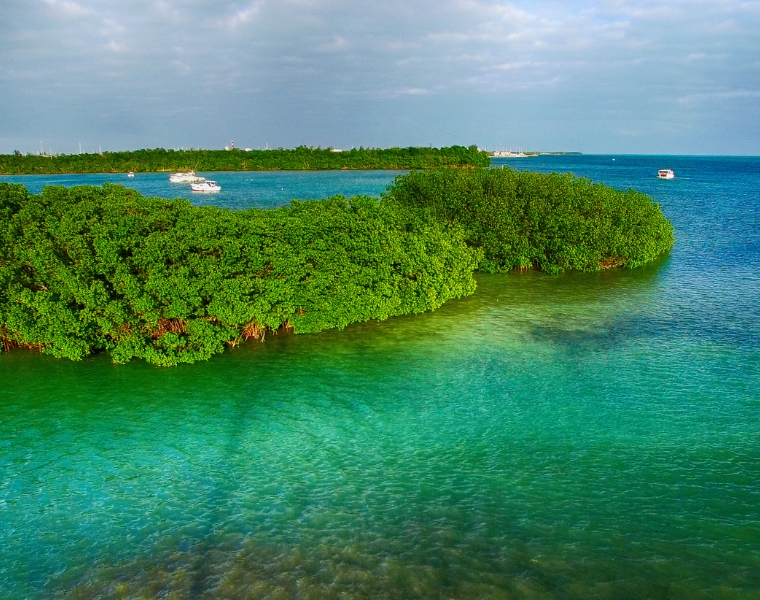
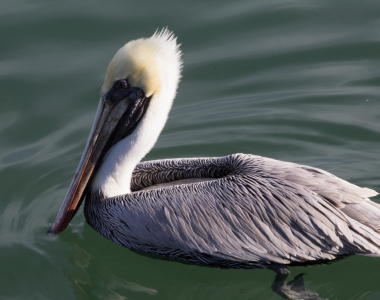
The Indian River Lagoon is one of North America’s most diverse estuaries, home to more than 2,000 animal species, including 53 threatened or endangered species. HSWRI’s long-term ecological studies in the Indian River Lagoon aim to:
- Understand the processes shaping local biodiversity and productivity
- Provide data to evaluate the effectiveness of resource management strategies, including habitat and wildlife restoration
- Monitor environmental changes that could impact both wildlife and human health
Our research supports the preservation and restoration of this nationally important estuary.
Support Our Work
You can contribute to our conservation efforts in several ways:
Purchase a Specialty License Plate
The “Discover Florida’s Oceans” plate supports our Florida-based marine mammal stranding response and ecological research programs.
Donate
Your contributions help fund our impactful research and conservation initiatives.
Volunteer
Join our team to support projects and programs.
Together, we can make a significant positive impact on Florida’s marine ecosystems.
For more information or to get involved, please contact us at flvolunteers@hswri.org or call 321-327-8970.
Bottlenose Dolphin Ecology
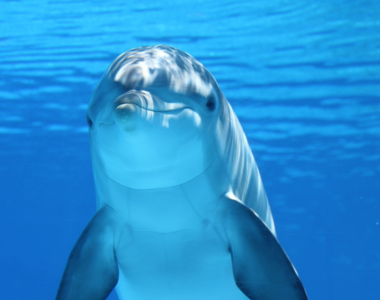
Monitoring the health and distribution of bottlenose dolphins in the Indian River Lagoon is crucial. Our efforts include:
- Assessing the abundance and distribution of estuarine dolphins to inform resource management.
- Studying habitat utilization and association patterns
- Assessing animal health and reproductive success.
- Assessing the impacts of human activities, such as pollution and habitat loss, on these species.
- Providing data needed to manage and protect these sentinel species effectively
A healthy population of these animals indicates a thriving ecosystem, whereas declining health may serve as an early warning sign.
Community Education & Engagement
HSWRI is committed to fostering public appreciation for scientific discovery and ocean conservation. We offer:
- Educational tours for schools, community organizations, and the public
- Volunteer opportunities to participate in marine conservation efforts
- Programs to train citizen scientists in data collection and environmental monitoring
Community engagement is vital to our mission of promoting ocean health and marine life conservation.