

Beluga Whales
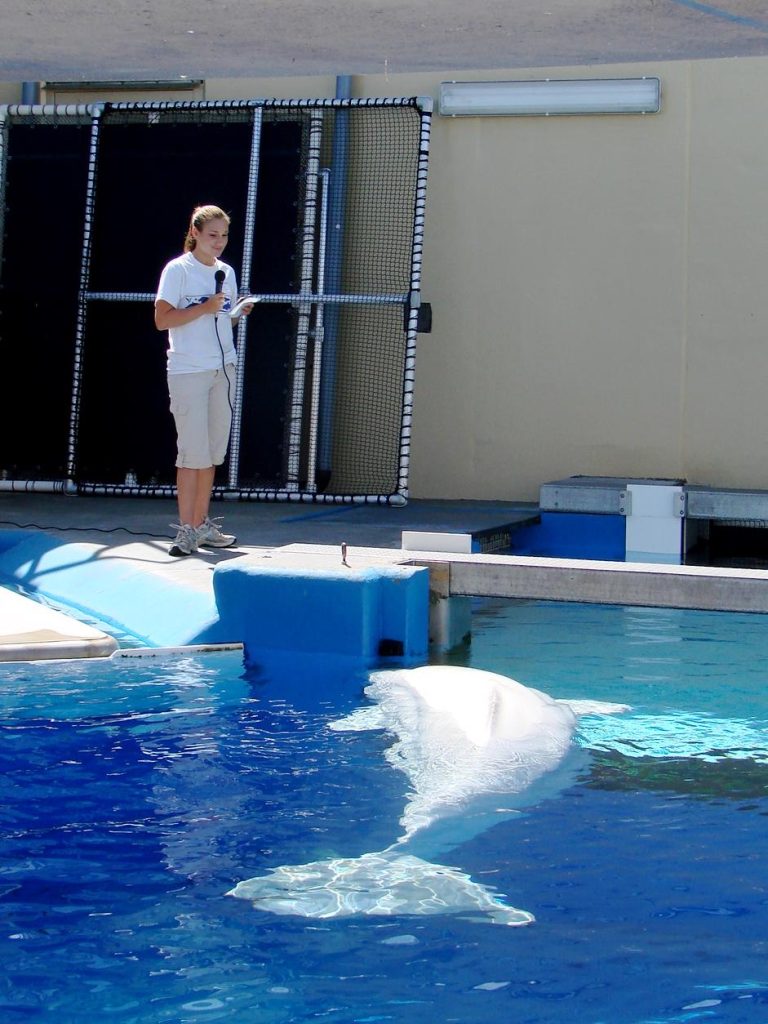
Belugas depend upon sound for many important biological functions such as foraging, navigation and communication. The territory of beluga whales overlaps the rich oil deposits in the arctic continental shelf. Oil exploration, production and transport generate significant underwater noise, which can cause discomfort, stress and even physical damage to animals. In the 1980s little data […]
Mono Lake Birds
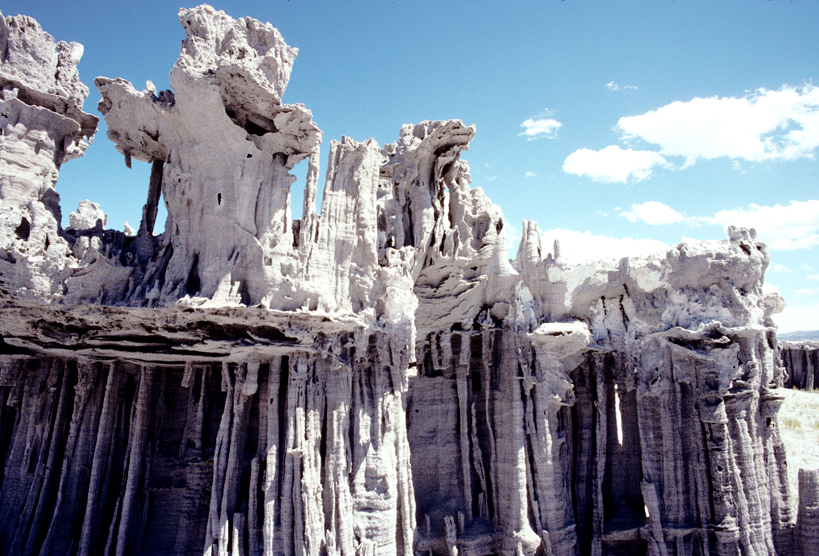
Mono Lake is a key resting point for millions of migratory birds where they feed on brine shrimp. Owens River water was diverted to the Los Angeles aqueduct in 1941. By 1982 the lake was reduced to 70% of 1941 levels, and by 1990 it was reduced to 50%. HSWRI tracked the effect of the […]
Killer Whale Antarctica
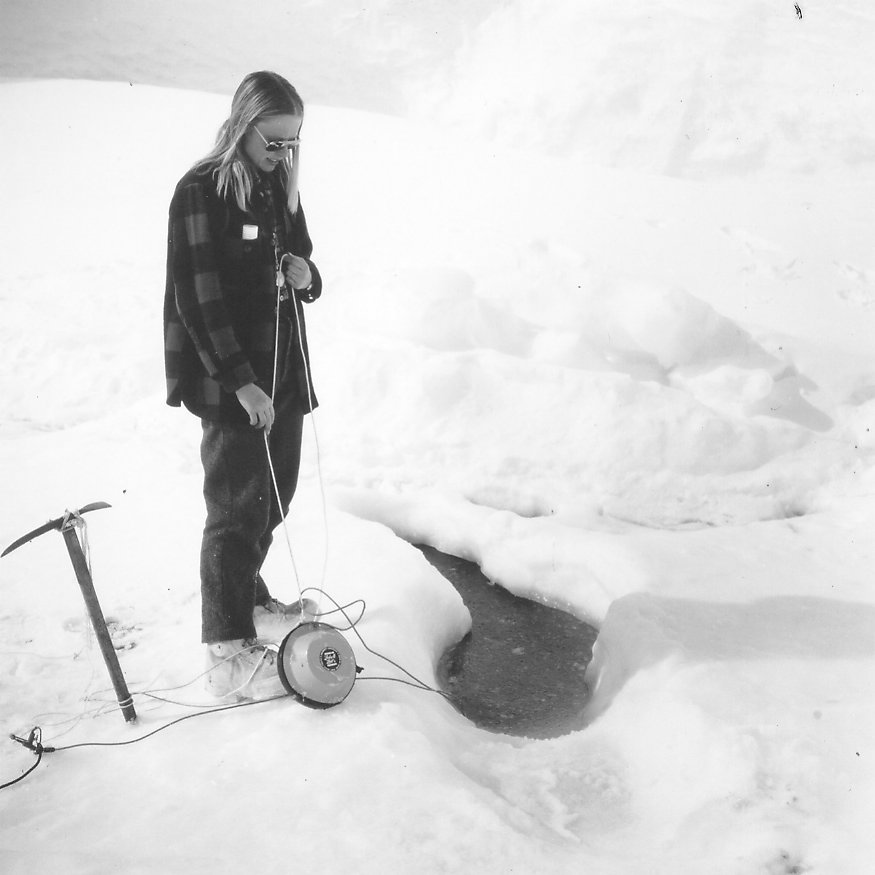
HSWRI researchers recorded for the first time killer whale calls in the Antarctic at McMurdo Station in January 1980. These killer whale calls were compared to other researchers’ recordings from Newfoundland to search for geographic differences. The researchers found that strong geographic differences were found in all four types of vocalizations (clicks, buzzes, screams, and […]
Dolphin Survey 1977
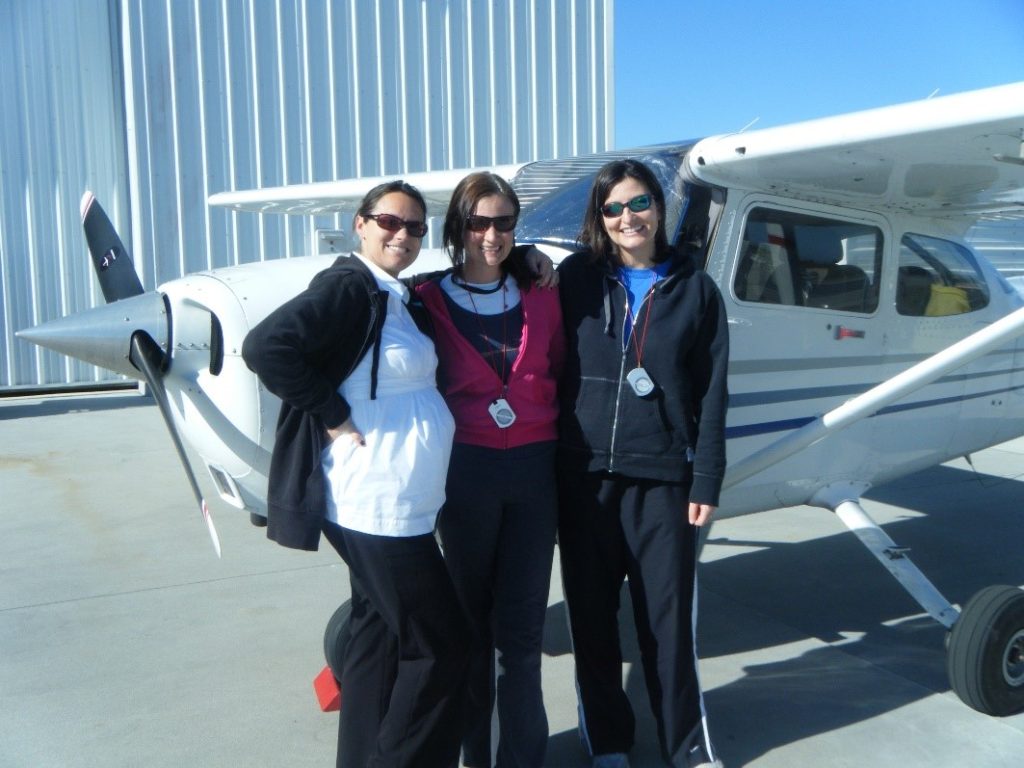
In August 1977, dolphin numbers in Florida’s Indian River Lagoon were unknown, but some estimated that up to 5,000 dolphins lived in the lagoon. Commercial fishing operators were concerned about dolphin predation of fish, which also damaged nets due to entanglements. This led to repeated requests to control the dolphins. HSWRI’s survey found less than […]
Bowhead Whale Songs
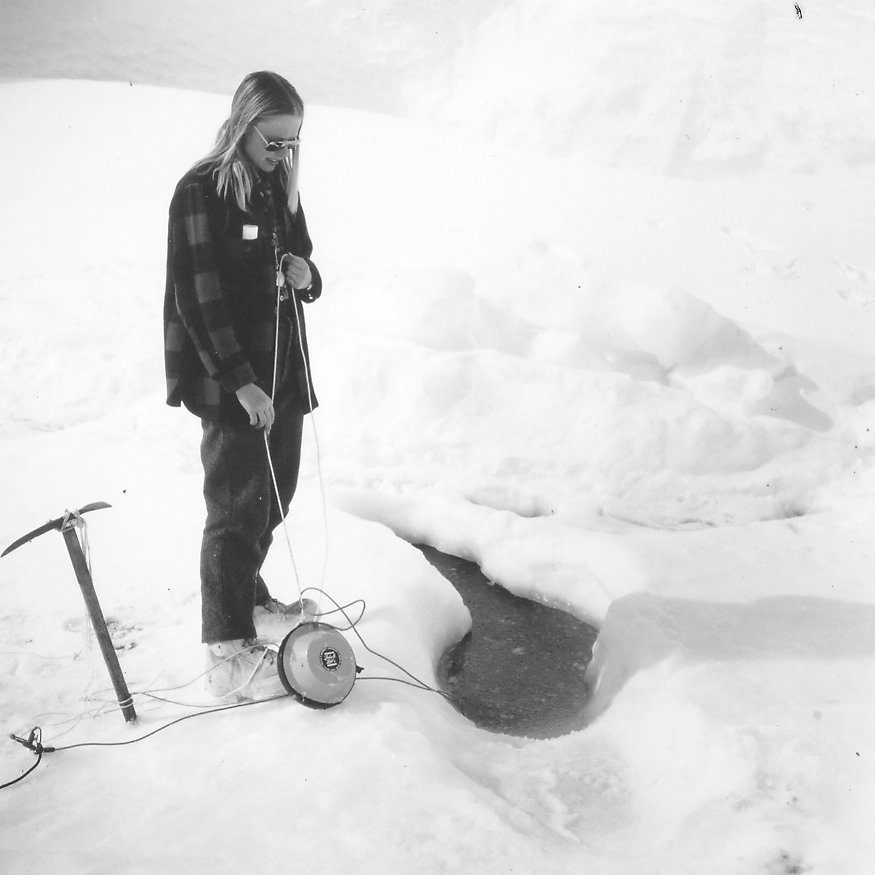
HSWRI researchers were part of the team that first recorded bowhead whale songs in 1977 and then later analyzed the first mother – calf bowhead sounds in 1979. Subsequent research has shown bowhead whales exhibit elaborate acoustic displays that rival the complexity of the better known humpback whale songs. The popularization of whale songs become […]
California Brown Pelicans
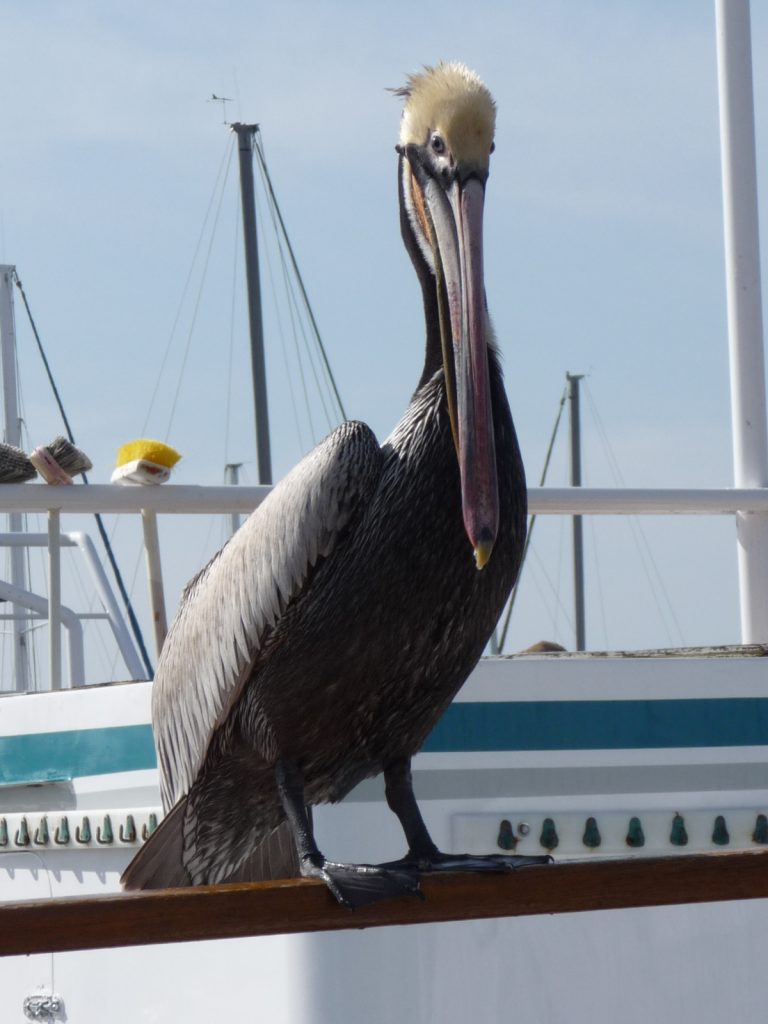
HSWRI researchers were the first to recognize DDT-related damage to pelican eggs. Exhaustive scientific studies showed that DDT was partially, if not wholly, responsible for the population decline by reducing egg thickness. At that time the coastal waters of California were the most pesticide polluted in the world. The declines in California populations were masked […]
Dolphin Entanglements
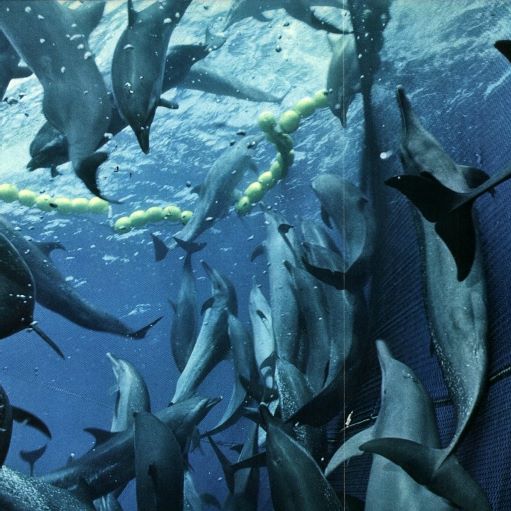
From 1969 to 1976 HSWRI researchers worked in conjunction with Southwest Fisheries Science Center tagging and tracking 3,712 dolphins in the eastern tropical Pacific Ocean. Researchers were trying to discover any migration patterns to prevent inadvertent dolphin entanglements. At that time, approximately one quarter of the world’s tuna catch was taken in the eastern tropical […]
Dolphin Associations
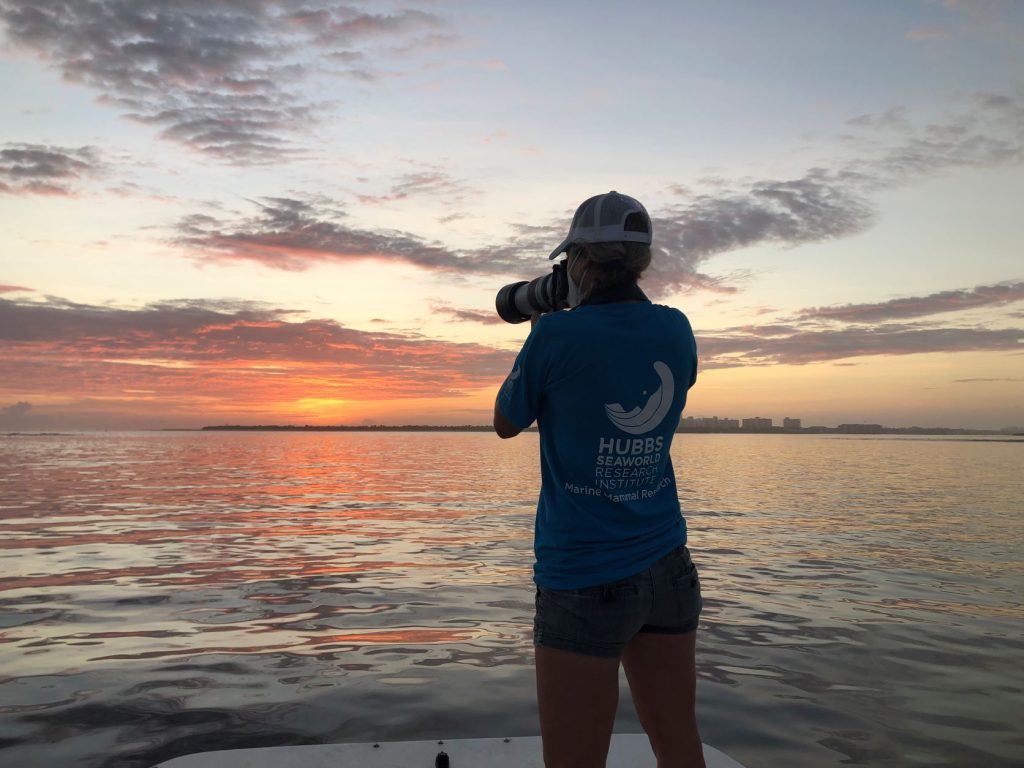
In many long-lived mammalian species, association patterns between individuals have been found to influence sociality, behavioral traits, survival, and longevity. In common bottlenose dolphins (Tursiops truncatus), the early stages of development are of particular importance as associations experienced as dependent calves may influence future association patterns. While behavioral characteristics associated with the transition from a […]
Killer Whale Interactions
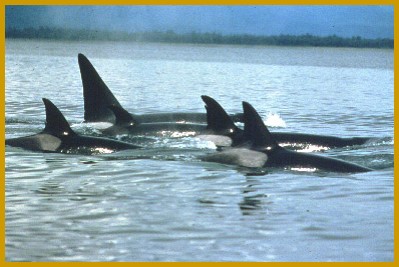
Increased sablefish or black cod (Anoplopoma fimbria) catches in the 1980s in Prince William Sound and the Bering Sea lead to more reports of killer whales interfering with fishing vessels by removing the hooked sablefish from the longlines as they were being hauled to the surface. In addition to taking the fish, the orcas were […]
Desert Tortoises
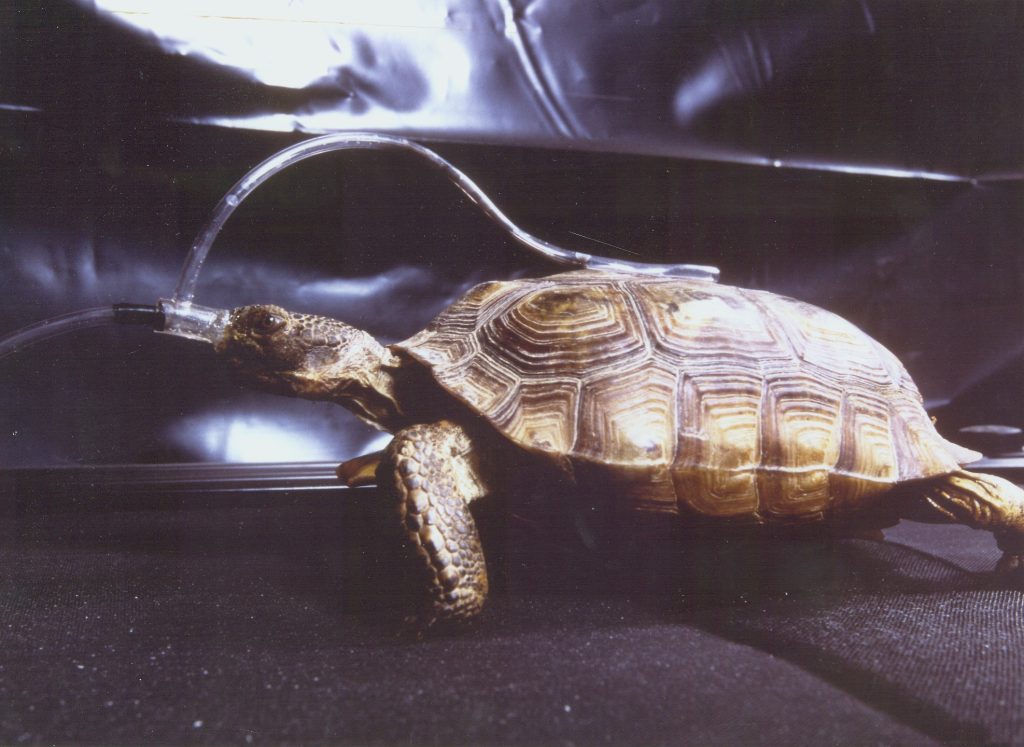
Testudinates (turtles and tortoises) have been characterized as deaf because many species exhibit little response to sounds in their environment. However, they possess auditory organs, and several species of tortoises, including the threatened desert tortoise (Gopherus agassizii), produce acoustic social signals and are known to react to meaningful sounds in their environment, including sounds produced […]