

American Marten
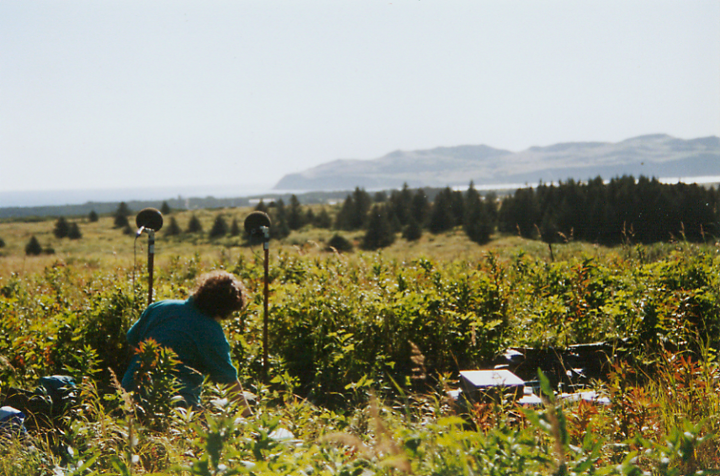
Motorized recreation in North American wildlands is increasing, and technological developments in the power and range of vehicles has increased access to high-elevation habitats. The American marten (Martes americana) is vulnerable to this disturbance because martens, like other residents of high-elevation forests, are associated with remote wilderness conditions where the presence of motorized vehicles is […]
Northern Spotted Owls
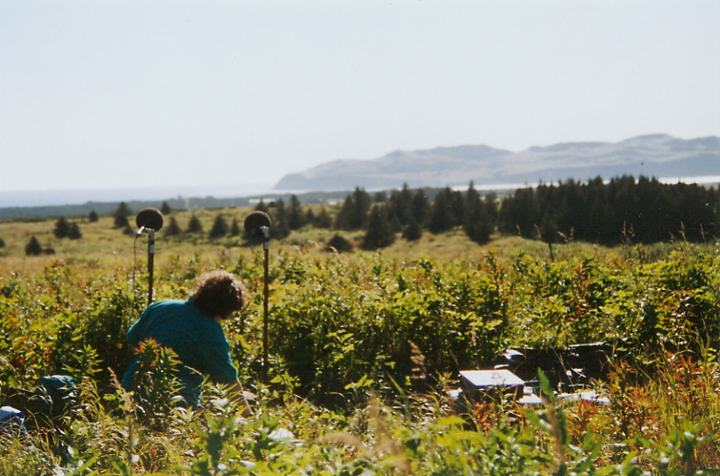
The iconic northern spotted owl was first listed as threatened in 1990, which led to 80% reduced logging in federal forests. Timber interests and conservatives have cited the northern spotted owl as an example of excessive or misguided environmental protection, but many environmentalists view the owl as an indicator species, whose preservation has created protection for […]
White Seabass Replenishment
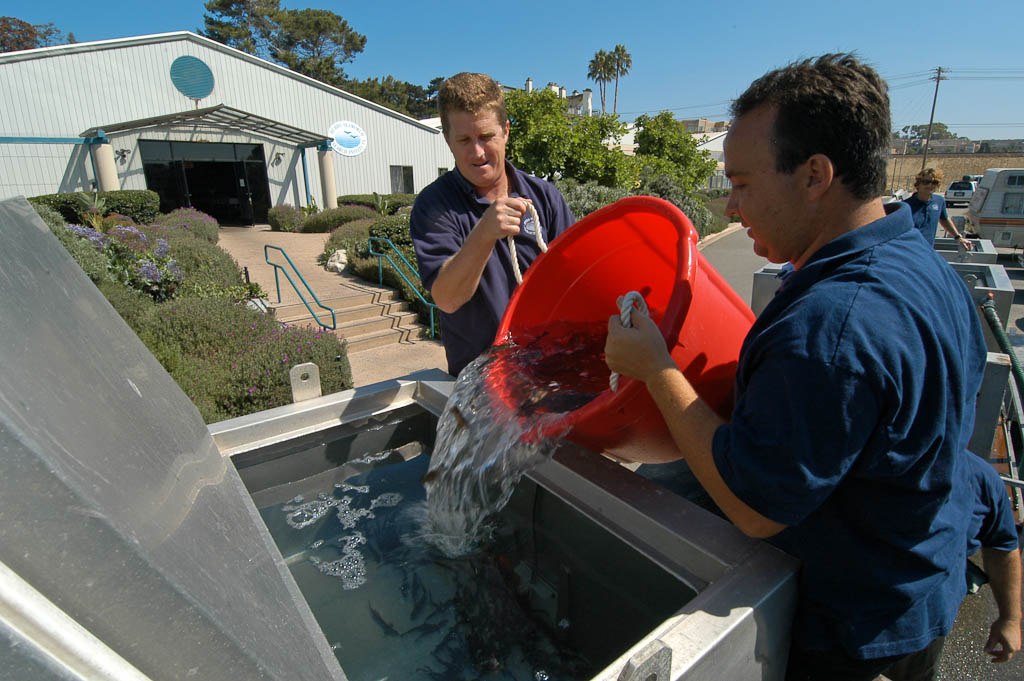
We evaluate post-release dispersal, growth and survival of hatchery-reared white seabass (Atractoscion nobilis) released as part of an experimental stock enhancement program in California. Releases of hatchery white seabass have been carried out since 1986, year round either directly from the hatchery or after acclimation in net pens. All released fish are implanted with coded […]
Stock Enhancement
[et_pb_section fb_built=”1″ _builder_version=”4.5.1″ _module_preset=”default”][et_pb_row _builder_version=”4.5.1″ _module_preset=”default”][et_pb_column type=”4_4″ _builder_version=”4.5.1″ _module_preset=”default”][et_pb_blurb title=”Responsible Stock Enhancement” image=”https://hswri.org/wp-content/uploads/2022/04/HubbsHatchery0078PSHSWRI_WAS_300dpiHSWRI_WAS_72.jpg” _builder_version=”4.5.1″ _module_preset=”default” hover_enabled=”0″] The evolutionary effects captive-bred individuals that can have on wild conspecifics are necessary considerations for stock enhancement programs, but breeding protocols are often developed without the knowledge of realized reproductive behavior. To help fill that gap, parentage was assigned […]
White Seabass Aquaculture
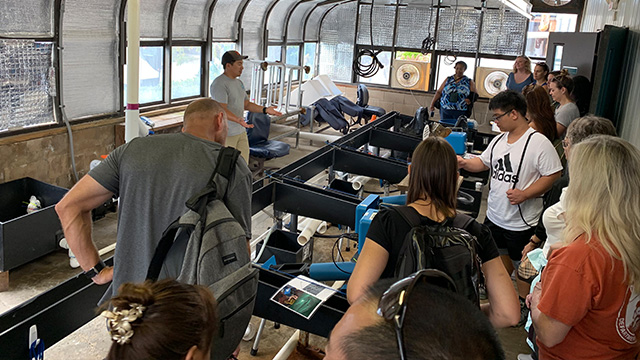
The white seabass, Atractoscion nobilis, is a member of the family Sciaenidae, which includes croakers and drums. Atractoscion nobilis have numerous aquaculture characteristics desirable for commercialization, including excellent market appeal. Consumer and market surveys of farmed A. nobilis have consistently yielded reviews of ‘good to excellent’ when rated for taste, texture, appearance, and freshness. Wild adult A. nobilis adapt readily to captivity, […]
Polar Bear Dens

Oil and gas activities on Alaska’s North Slope overlap spatially with polar bear (Ursus maritimus) maternal denning habitat and temporally with the peri-partum and emergence periods. Noise associated with these activities can be substantial and concerns regarding the effects on polar bears have been acknowledged. But the secluded and ephemeral nature of subnivean maternal dens […]
South Georgia Island Penguins
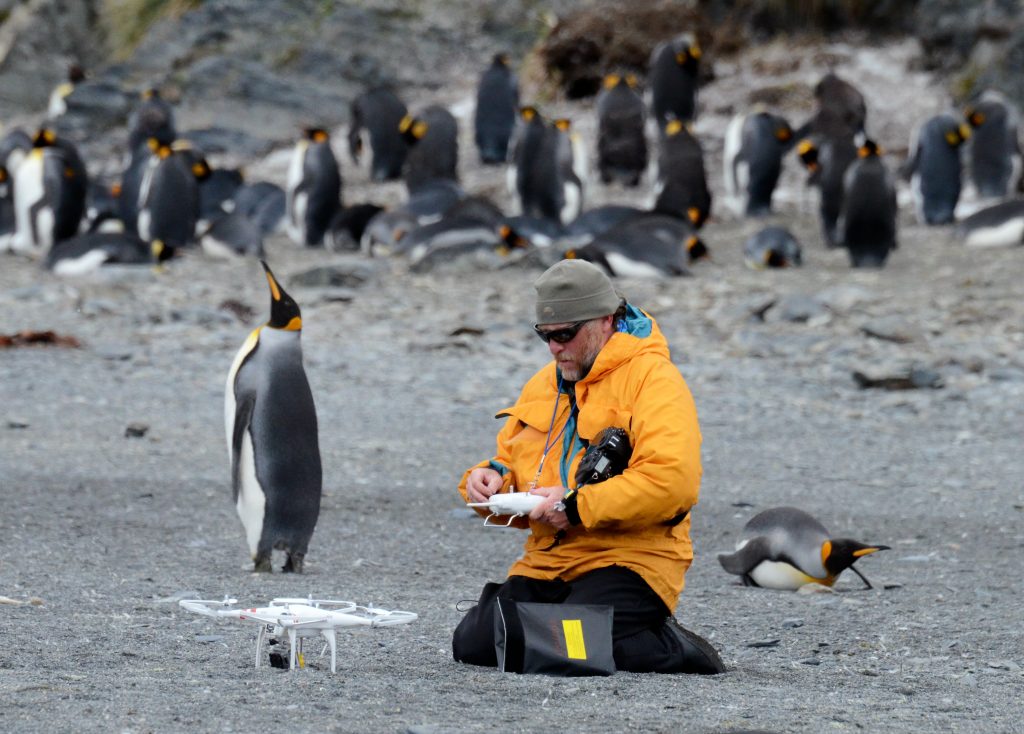
Penguin colony surveys from 2012 to 2019: Photographic observations and documentation of the distribution and abundance of penguins at selected breeding areas on South Georgia Island (a British Overseas Territory in Antarctica). This has been accomplished using small aerial tele-robots (a.k.a., quadcopter drones) equipped with high resolution cameras which has allowed us to map the distributions […]
Beaufort Islands Penguins
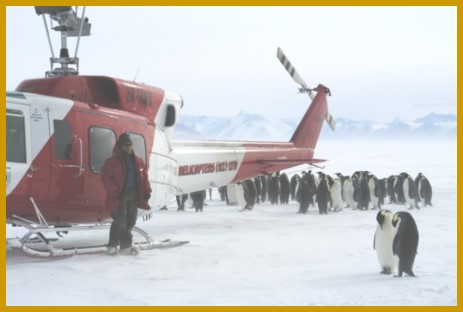
Emporer penguins breed in traditional rookeries located on annual sea ice along the Antarctic coast. Unique among birds, they commence their reproductive cycle in winter in regions that are the coldest and windiest on the planet while in the dark 24 hours a day. Emporer penguins begin nesting in midwinter so that their chicks fledge […]
Whale Sharks of Indonesia
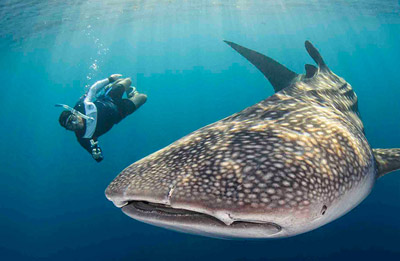
The whale shark (Rhincodon typus) is an iconic species for Teluk Cenderawasih National Park (TCNP), West Papua and Papua. They appear regularly near lift-net fisheries (bagans) year round in some areas, especially near Kwatisore in West Papua, resulting in the development of limited tourism since 2009. The objective of our study was to document the […]
Whale Sharks of Western Australia
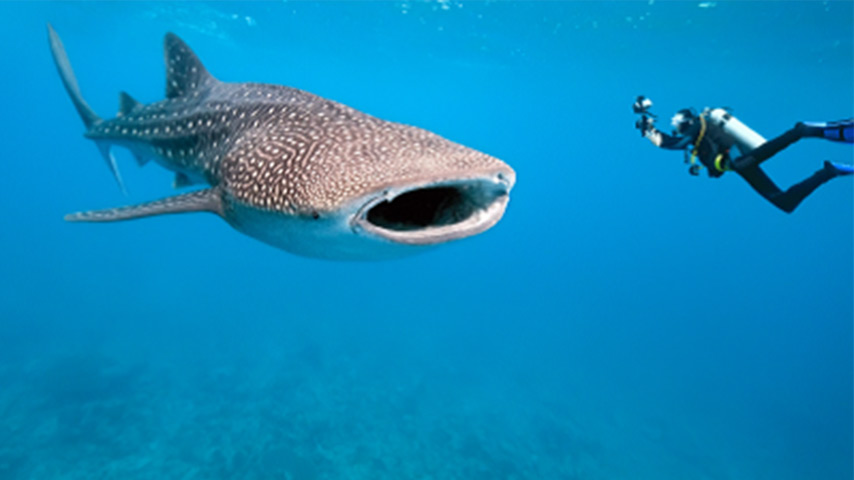
Whale sharks, Rhincodon typus, seasonally aggregate in coastal waters off Ningaloo Reef, Western Australia. We review the oceanographic setting of the region and present evidence that such aggregations form as a result of migratory behavior associated with climatic and oceanographic processes. We utilise records of whale shark abundance collected at Ningaloo Reef from dedicated searches by […]