Dolphin Monitoring

The use of telemetry (radio and satellite) allows individual dolphins to be consistently relocated over time, enabling detailed studies that evaluate habitat usage, behavioral ecology (how dolphins spend their time) and provides insight into dolphin social structure. These same methods in tandem or in addition to photo-identification methods are utilized to monitor dolphins that are […]
IRL Aerial Surveys
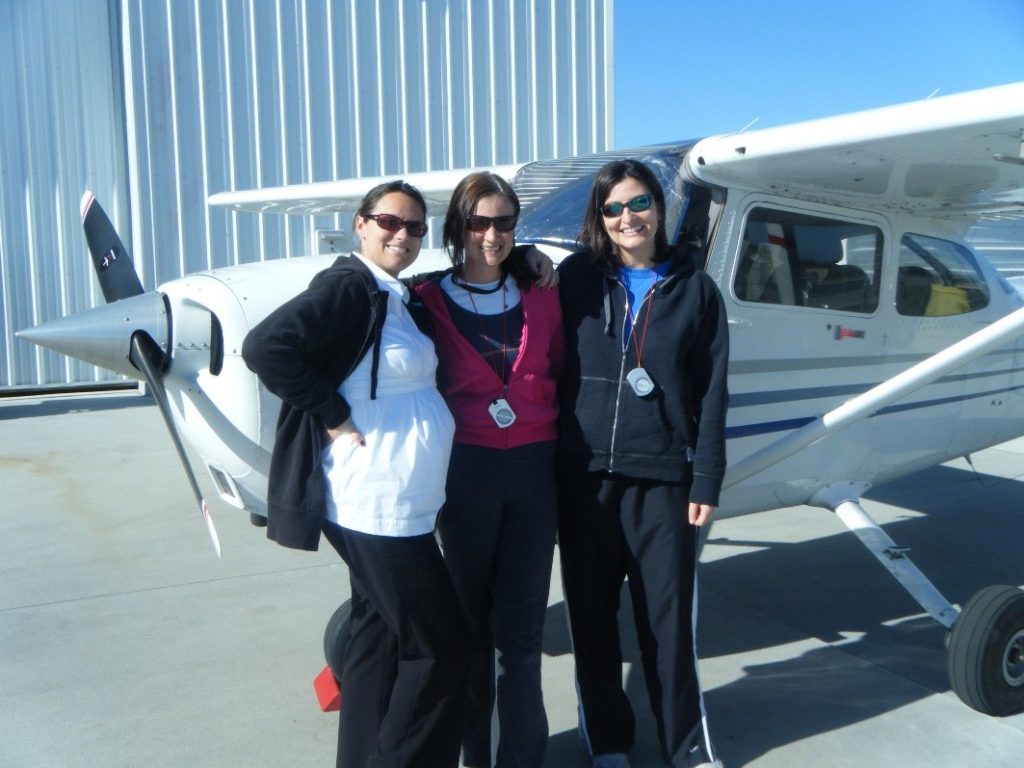
Hubbs-SeaWorld Research Institute is committed to monitoring cetacean populations and has been studying whales and dolphins in the Indian River Lagoon since the 1970’s when the first studies of these populations were initiated. Systematic long-term monitoring of abundance and distribution is essential to management and conservation and necessary to assess mortality trends and anthropogenic impacts for cetacean […]
SeaWorld Orlando Related Research
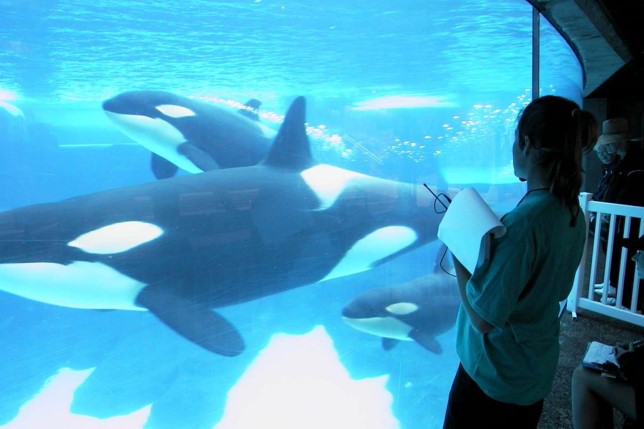
When the Institute was incorporated as a non-profit by the founders of SeaWorld a year before the first SeaWorld opened in San Diego, their intent was to promote the study of marine animals toward the benefit of wild populations. Observing this conservation ethos, SeaWorld has sustained HSWRI scientists’ access to its zoological collections toward advancing a […]
Ross Island Penguins
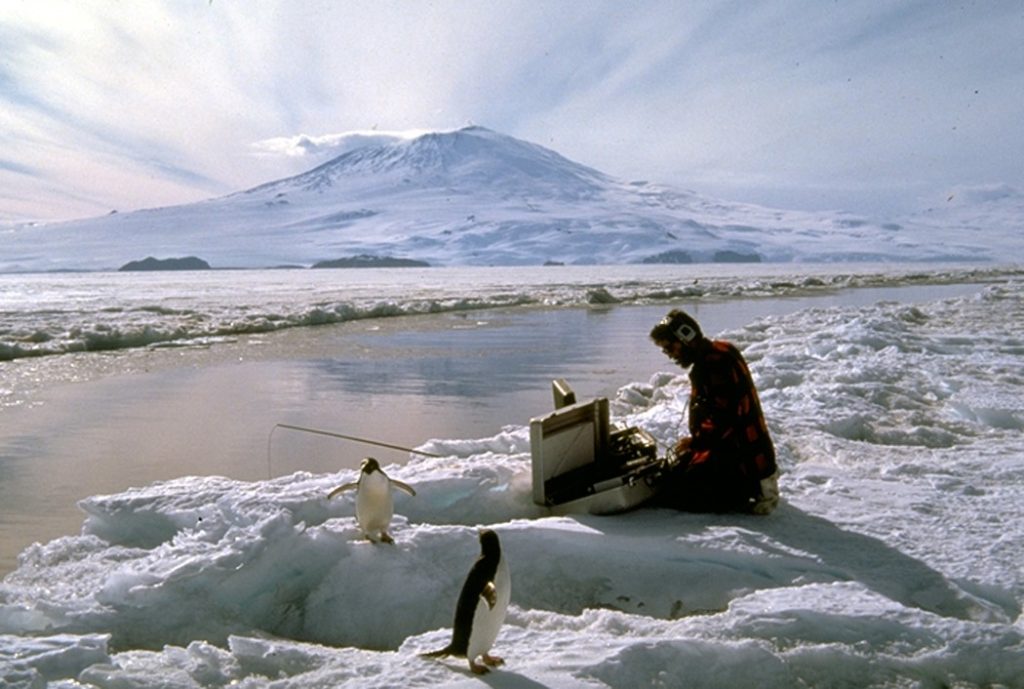
Related Publications: Todd, F.S. Establishment of a High Antarctic Penguin Colony and Controlled Environment Breeding of Adelie Penguins (Pygoscelis adeliae). Ant. J. U.S. 13 (4): 153-154. 1978. Todd, F.S. The Gathering of Penguins. Animal Kingdom. 84 (6): 14-23. 1981.
Seabass in the Classroom
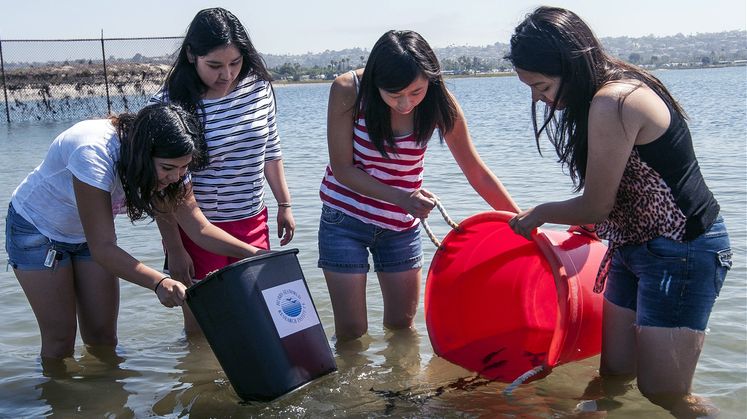
The Seabass in the Classroom (SITC) educational program was established by Hubbs-SeaWorld Research Institute (HSWRI) in 2011. The primary goal of this STEM (Science, Technology, Engineering, and Math)-based program is to develop and teach a novel science curriculum that will inspire budding scientists and expand their awareness of ocean resource sustainability. The centerpiece of the […]
Otter Spotter
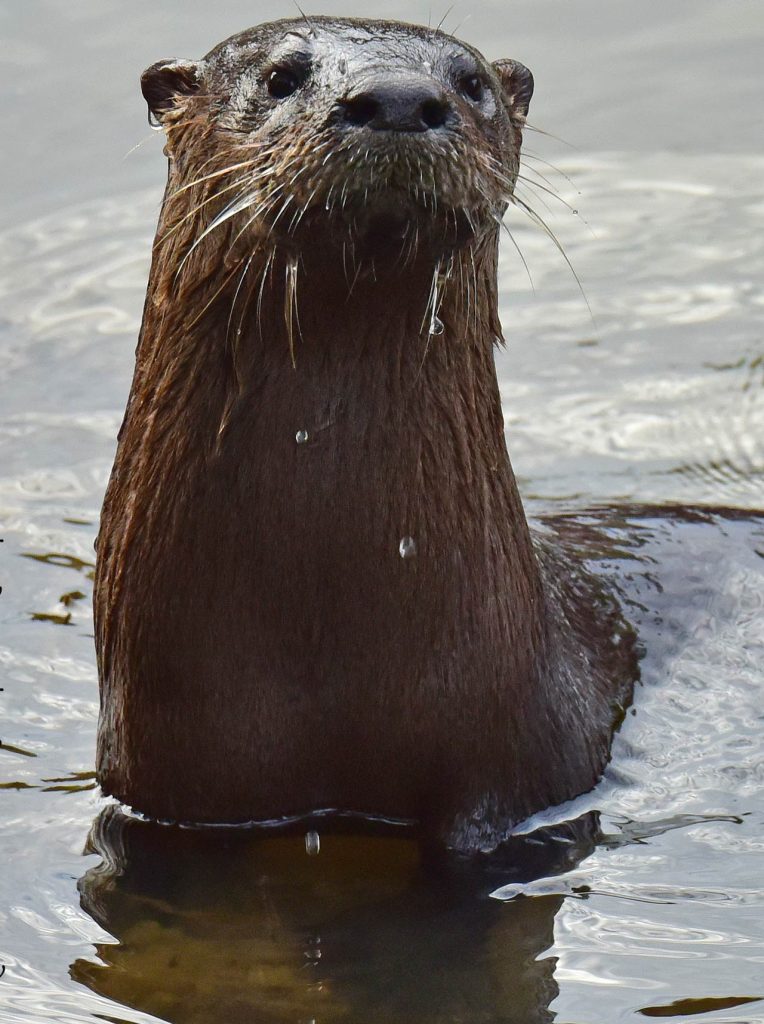
North American river otters are playful, inquisitive animals that live along the shore of the Indian River Lagoon (IRL). A healthy otter population is a signal that the lagoon is doing well and supporting animals that rely on healthy fish, invertebrate animals and seagrass. Otters’ well-being can signal if there are environmental changes that could […]
Manatee Research
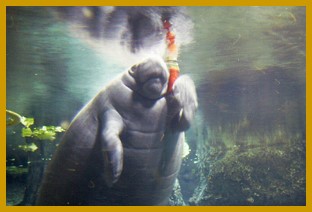
Surveys and research of manatee populations since the 1970s. HSWRI’s Melbourne Beach facility currently hosts the east coast manatee rescue team for Florida Fish and Wildlife Conservation Commission. Selected Publications: Alves-Stanley, C.D. and G.A.J. Worthy. Carbon and nitrogen turnover rates and diet-tissue discrimination in Florida manatees (Trichechus manatus latirostris). The Journal of Experimental Biology. 212:2349-2355. […]
Channel Islands
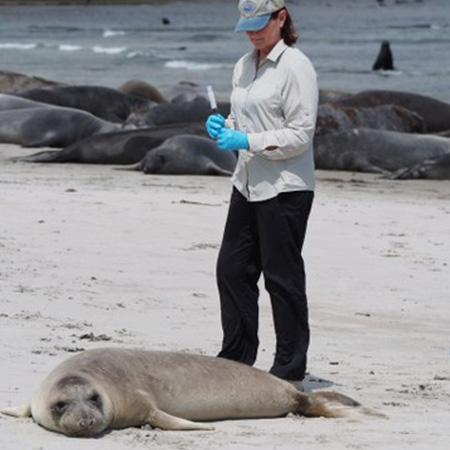
Marine mammal and other native wildlife surveys going back to the 1970s, providing baseline data for current research. Northern elephant seals were hunted to near extinction in the 19th century. Protection allowed them to recolonize former habitat on islands off California, where the population by the 1970s was increasing more than 14 percent per year. […]
Marine Mammal Stranding
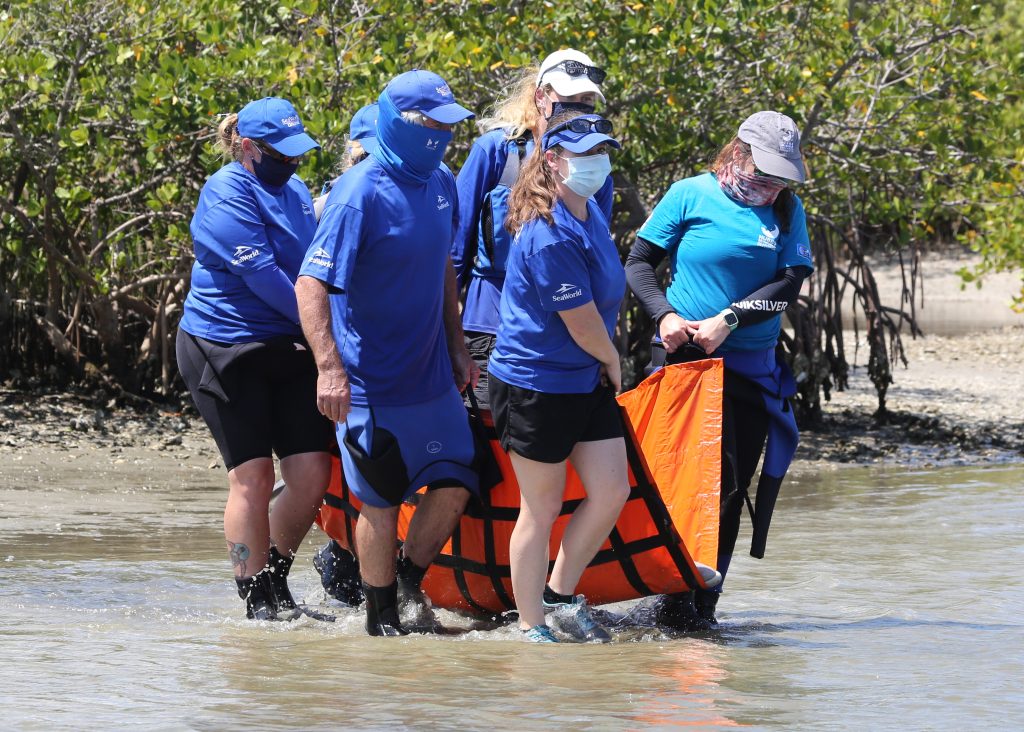
HSWRI has been a member of the NOAA-sponsored stranding response team since its formation in 1997 and has received dedicated funding as a member of NOAA’s John H. Prescott Marine Mammal Rescue Assistance program since its formation in 2002. We provide emergency stranding response for 40% of Florida’s east coast, including 1,100 square miles of […]
California Yellowtail
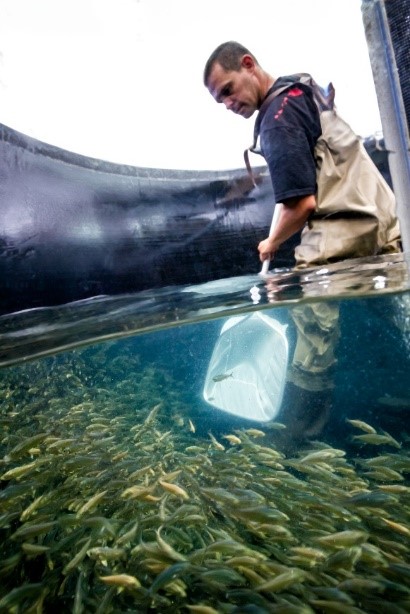
HSWRI researchers were the first to successfully spawn and rear the larvae of California yellowtail from broodstock collected in the early 2000s. California yellowtail is an sportfish indigineous to southern California which is marketed as hamachi. Extensive research has documented the optimal conditions for farm raising this desirable finfish, which is usually marketed in sushi restaurants […]