

Pelagic Crabs
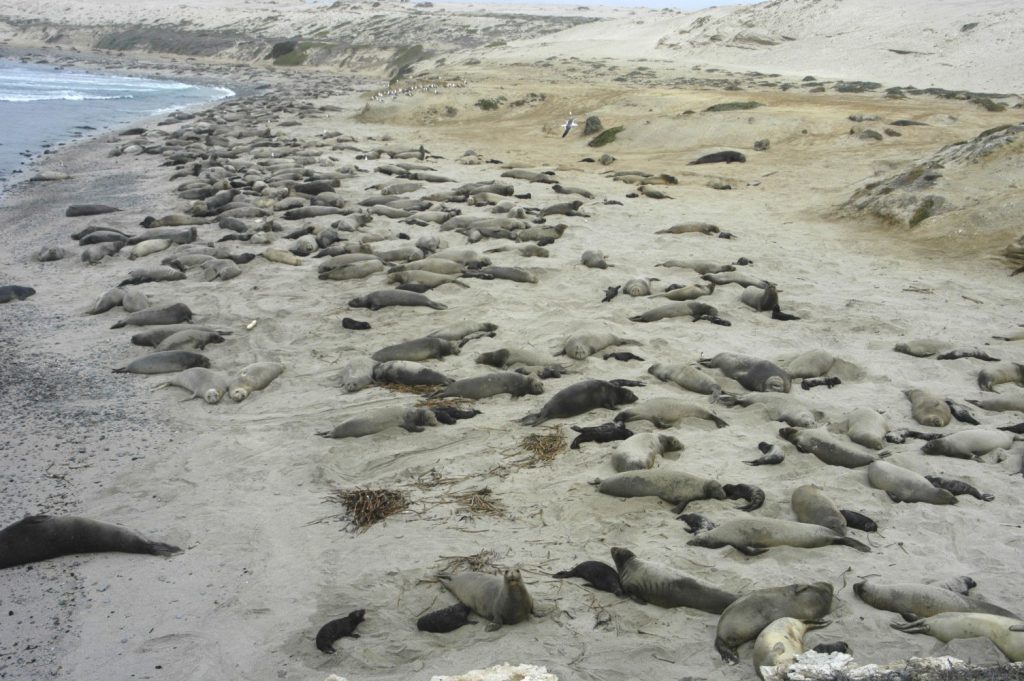
Swarms of live pelagic red crabs (Pleuroncodes planipes) began appearing in the surf and on beaches at San Nicolas Island (SNI), off southern California, in late December 1982. Although these crustaceans have occurred as far north as Monterey, their distribution is centered off the western coast of Baja California and they occur only rarely in […]
California Gulls
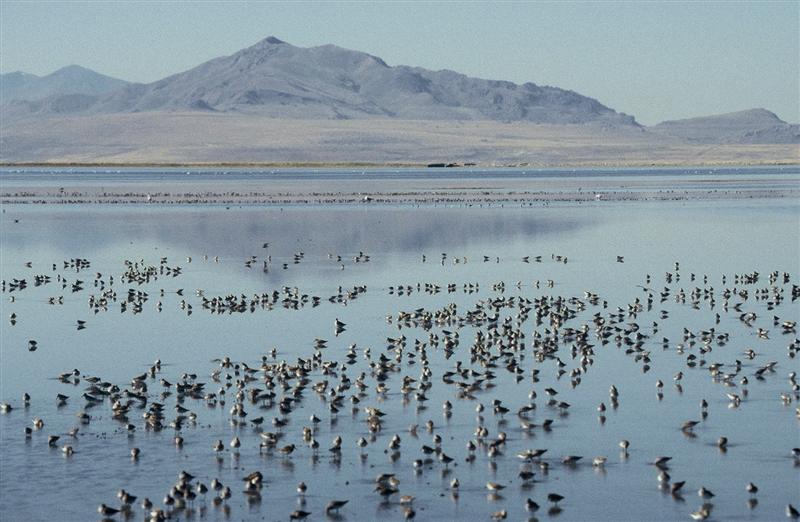
Although the California gull (Lams californicus) is the state bird of Utah, the history and status of colonies nesting at Great Salt Lake have not been well documented. Stansbury (1852) reported gulls nesting in 1850, and the population has been studied sporadically since then. This paper summarizes several population surveys in 1980s. The California Gull was […]
Birds of Socorro Island
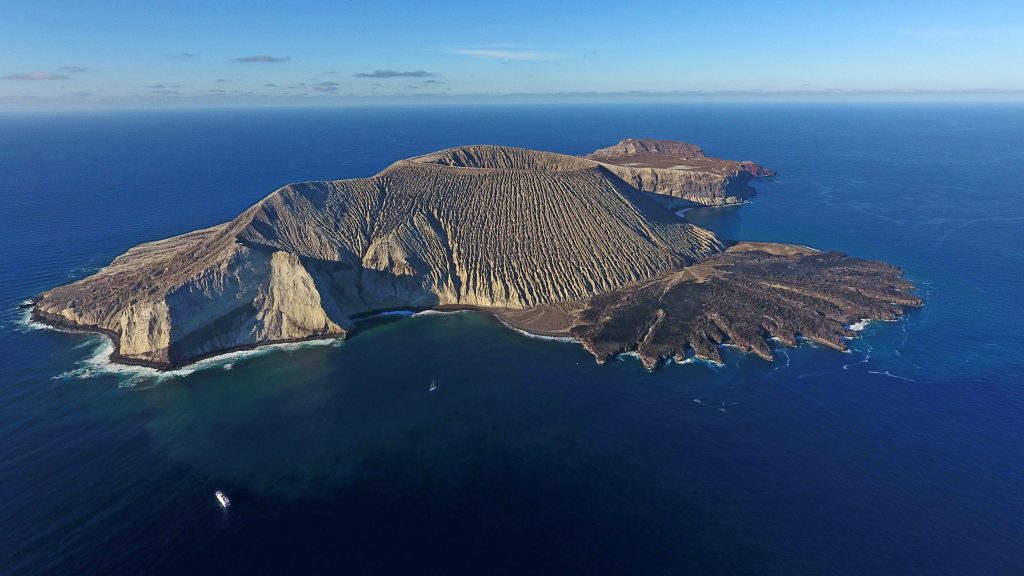
In April 1978, a Carnegie Museum of Natural History/Hubbs-Sea World Research Institute expedition visited Socorro and San Benedicto islands, which are located between 370 and 400 km (230-250 miles) south of the tip of Baja California. Our purpose was to determine the status of the endemic birdlife, and to obtain anatomical material and sound recordings, […]
Oystercatchers
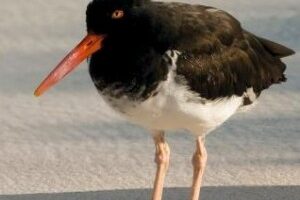
Hybrid oystercatcher First sighting of a new hybrid oystercatcher in San Julian, Argentina Publication:Jehl,J.R. Jr. A New Hybrid Oystercatcher from South America, Haematopus Leucopodus X.H. Ater. Condor. 80:344-346. 1978.
Razorbills
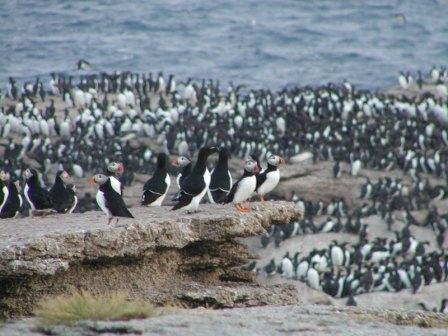
We investigated differences in parent—offspring vocal recognition between males and females in a natural population of razorbills Alca torda, a long-lived and highly social species of auk (Family: Alcidae). Razorbills provide biparental care to their chicks while at the nest site, after which the male is the sole caregiver for an additional period at sea. Parent—offspring recognition […]
Mono Lake
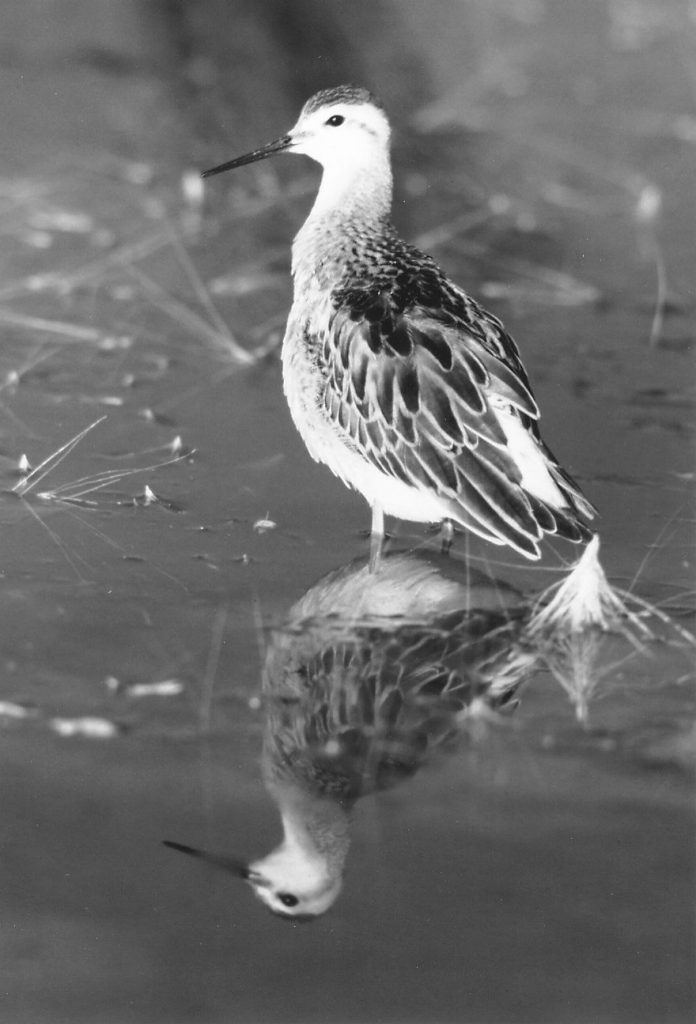
National Geographic article on HSWRI research on Wilson’s phalaropes at Mono Lake. During June and July, these birds stop at this desolate inland sea to feed on brine shrimp to fatten up for their nonstop flight to Tierra del Fuego, at the tip of South America. The article ends with the question, if Mono Lake […]
Hawaiian monk seals
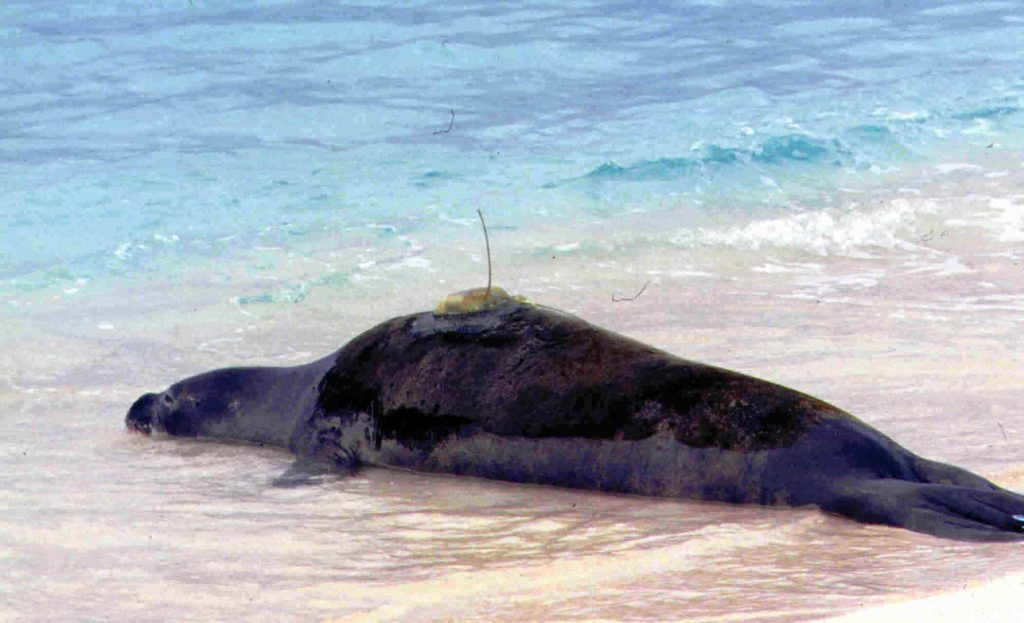
Hawaiian monk seals (Monachus schauinslandi) are endemic to the Hawaiian Islands and are the most endangered species of marine mammal that lives entirely within the jurisdiction of the United States. The species numbers around 1300 and has been declining owing, among other things, to poor juvenile survival which is evidently related to poor foraging success. […]
Mexican Spotted Owls
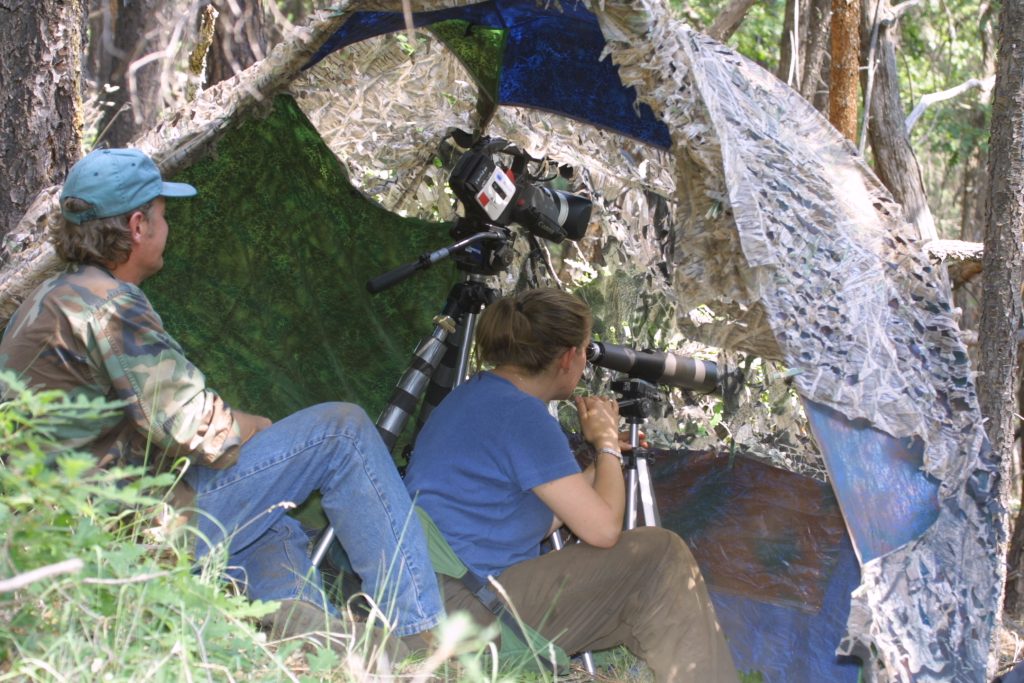
Acoustical surveys of the endangered Mexican spotted owl as part of the US Fish & Wildlife Service’s “Recovery Plan for the Mexican Spotted Owl (Strix occidentalis lucida)” Since spotted owls are territorial and respond to calls, acoustic lure surveys can be used to locate owls for both research and management activities. These surveys are proven […]
Weddell Seals Surveys
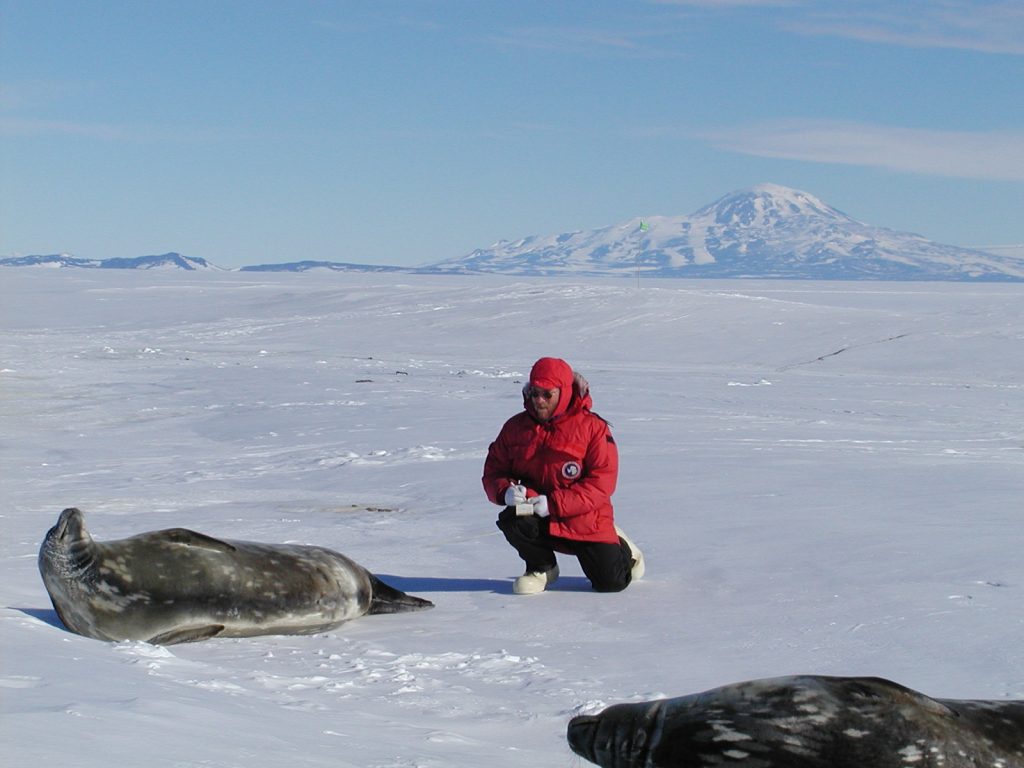
HSWRI has periodically studied Weddell seals in the Antarctic since the 1970s, focusing on population surveys, radio tracking, and bioacoustic studies of Weddell seal vocalizations. Researchers recorded both underwater and surface vocalizations of Weddell seals to investigate geographic and individual variations in seal calls. HSWRI researchers returned to Antartica in the 1990s to study Weddell […]
Killer Whale Surveys
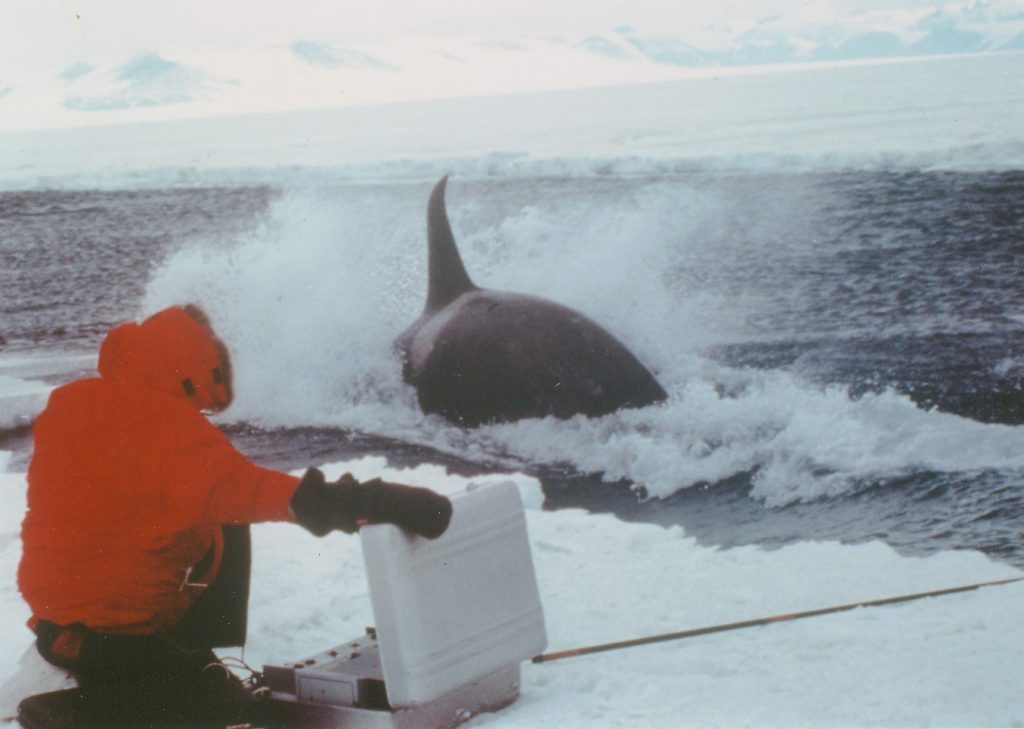
Boat surveys of Antartic and adjacent waters in the 1970s and 1980s, documenting killer whale color patterns and geographical variablility of killer whale vocalizations. Researchers assessed the range and abundance of killer whale pods to understand the ecological role of these whales. Distribution records, photographs of color patterns and recordings of underwater killer whale vocalizations […]