

Killer Whale Calls
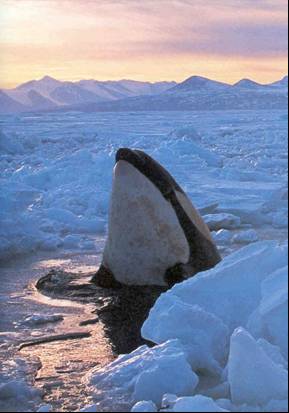
HSWRI scientists analyzed killer whale calls from Iceland and Norway to see if there were distinctive dialects for different pods. This was the first time the calls of these killer whale pods were studied. Underwater recordings of killer whale calls were made off Norway and Iceland from 1983 to 1985 in association with efforts to […]
California Gnatcatchers
Our laboratory conducted a five‐year study on the potential effects of helicopter noise on the reproductive success of the coastal California gnatcatcher (Polioptila californica californica) on Marine Corps Air Station Miramar (MCAS Miramar) in Southern California. Seven‐hundred twenty‐one nests were monitored for reproductive success, predation, noise levels, and habitat quality. An array of Larson‐Davis sound […]
Kit Fox

Four kit foxes were captured south of Gila Bend, Arizona, in an area not overflown by aircraft. Hearing thresholds were measured with a San Diego Instruments Startle Recording System. Shaped 200‐ms tone bursts ranging from 100 Hz to 40 kHz in octave steps were delivered using a step‐up, step‐down procedure. Startle responses were elicited by […]
Antarctic Fur Seals
A survey of Antarctic fur seals (Arctocephalus gazella) in the South Shetland Islands, Antarctica, during the 1986/87 austral summer indicated that this species is continuing its population recovery and recolonization of rookery sites following 19th Century commercial exploitation. Eleven fur seal pupping sites were identified, some of which had not previously been reported. The largest […]
Ross Seals
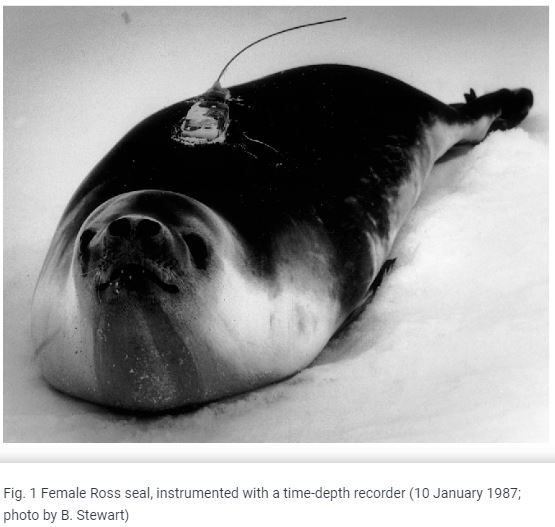
In January 1987 we documented the diving patterns of a female Ross seal (Ommatophoca rossii) in the marginal pack-ice zone near the eastern coast of the Antarctic Peninsula for 2 days using a microprocessor-based time-depth recorder. The seal hauled out during the day and dived continually when in the water at night. Dives averaged 110 m […]
Crabeater Seals
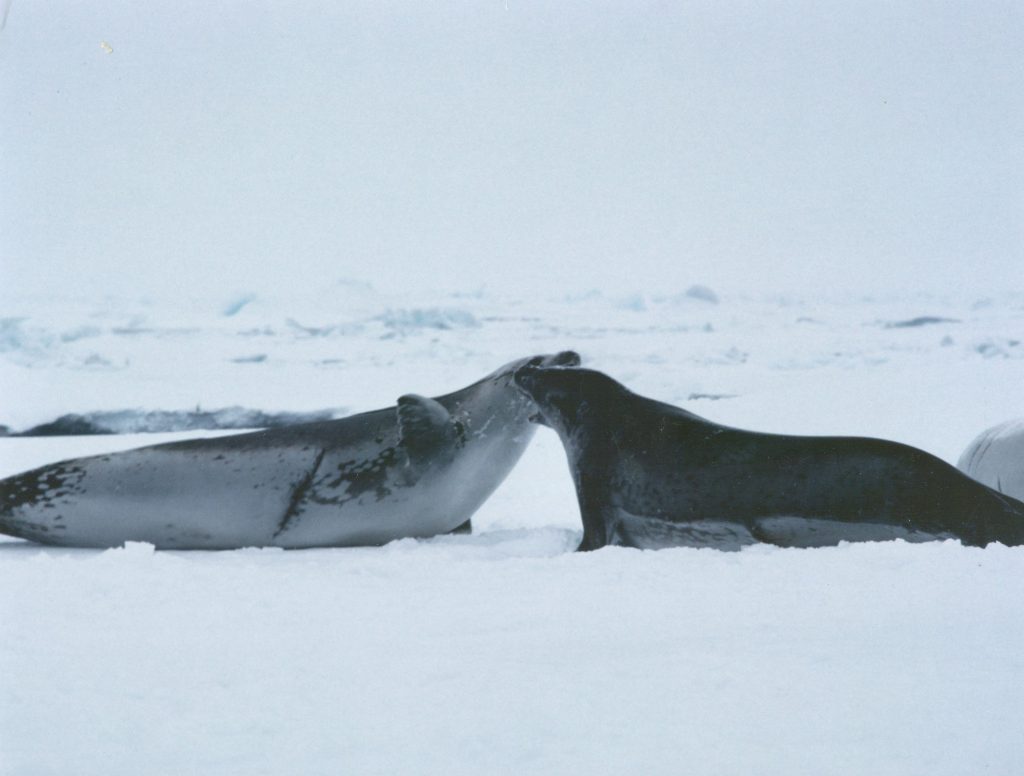
Time-depth recorders were used to study the diving and haulout behavior of six crabeater seals in the marginal ice edge zone of the Weddell Sea during March 1986. Haulout patterns revealed the seals’ clear preference for diving during darkness and hauling out onto sea ice during daylight. Seals did not necessarily haul out every day; […]
Oil Spill Response

HSWRI has been involved with oil spill prevention, research and response for more than 30 years. In the mid-1980s, HSWRI conducted research on methods to clean sea otter fur. HSWRI researchers found that dishwashing liquid as the most effective and safest cleaning material for oiled sea otters; this cleaning method was later expanded to birds […]
Minke Whales
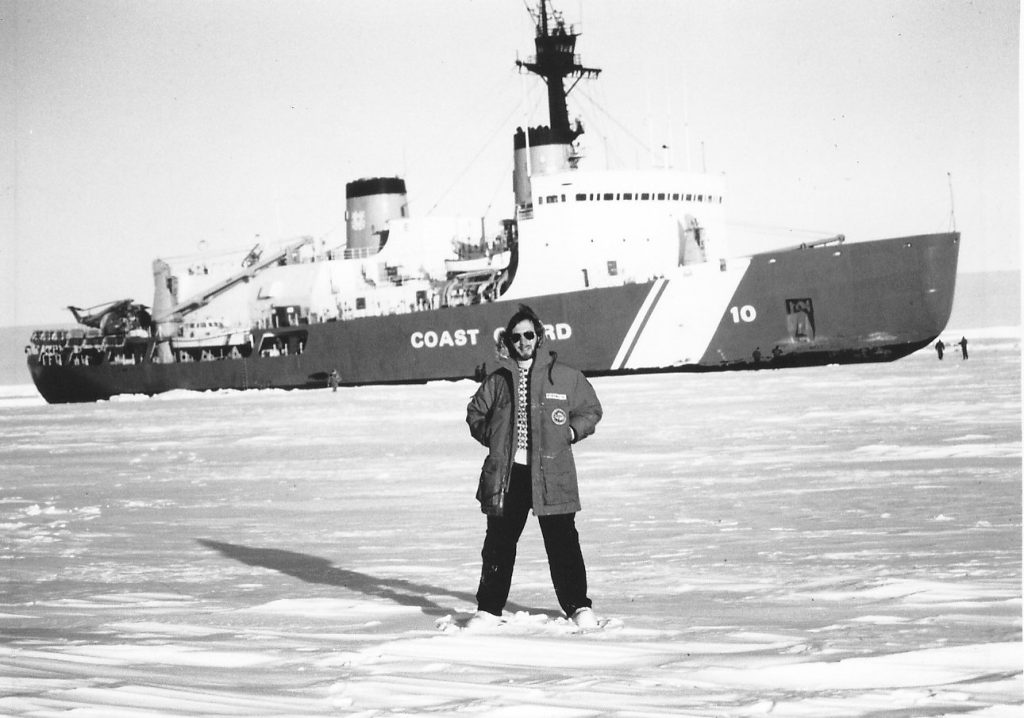
Our objective was to describe the distribution, size, and behavior of the Ross Island segment of minke whale populations summering in the Ross Sea. Eight helicopter survey flights in 1981 were conducted over the icebreaker channel and its associated cracks and over the waters near the fast-ice edge (approximately 6 nautical miles to either side […]
Bowhead Whales
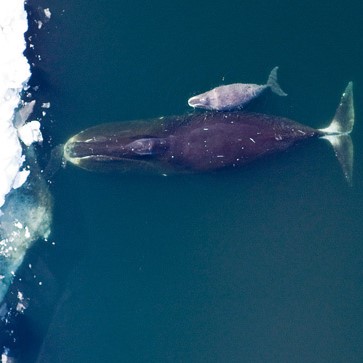
Based on a long tradition, bowhead whales (Balaena mysticetus) off the North Slope of Alaska are subjects of a well-regulated modern hunt by Alaska Natives. During the spring hunt of 1993, 2 stone harpoon points were recovered from the dorsal musculature of 1 of these whales. Supported by archaeological comparisons, these implements were judged to […]
Sooty Terns
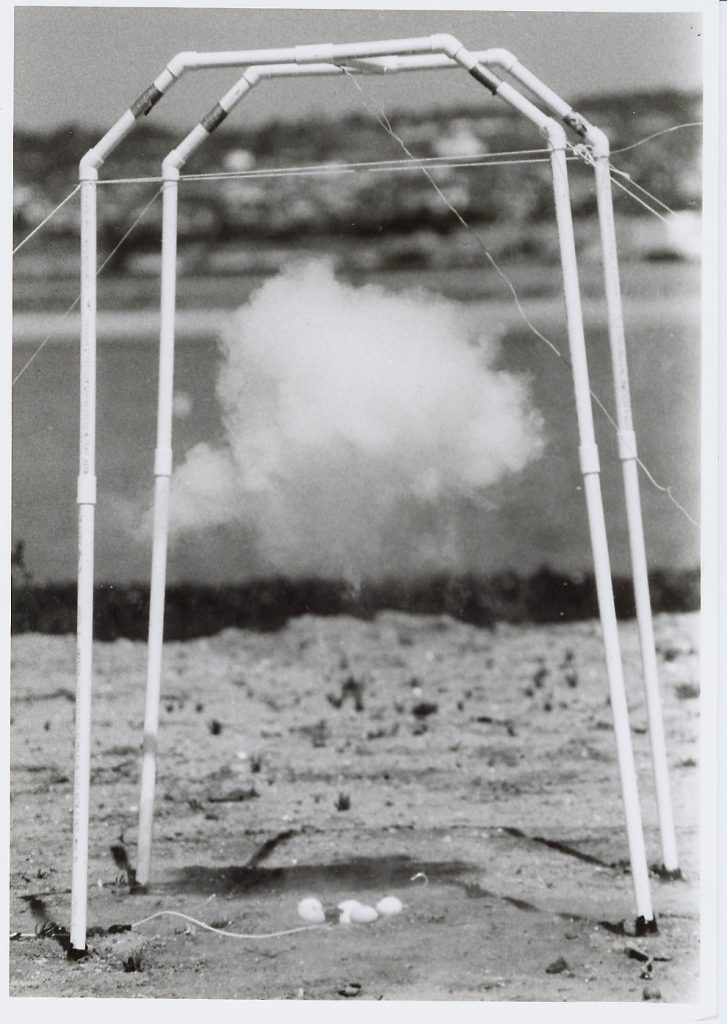
It has been proposed that sonic booms caused a mass hatching failure of Sooty Terns in the Dry Tortugas in Florida by cracking the eggshells. This paper investigates this possibility analytically, complementing previous empirical studies. The sonic boom is represented as a plane-wave excitation with an N-wave time signature. Two models for the egg are […]