

Baikal Seals
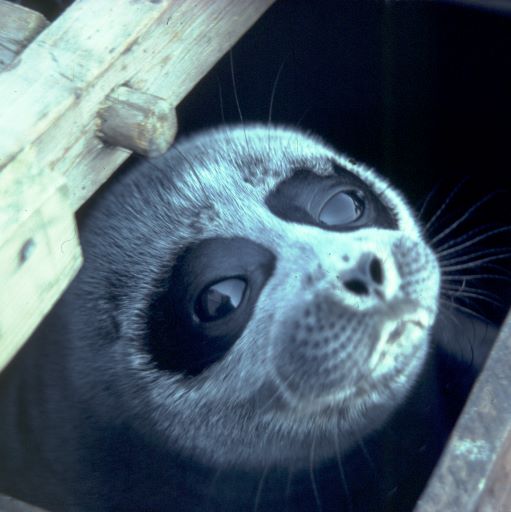
The Baikal seal (Phoca sibirica) is confined to Lake Baikal in southern Siberia. The breeding distribution of seals in winter, when the lake is frozen over, is fairly well known, whereas their movements and foraging behaviors have been relatively unstudied. With satellite-linked radio transmitters, we documented the movements and dive patterns of four juvenile Baikal […]
Sea Turtle Recovery
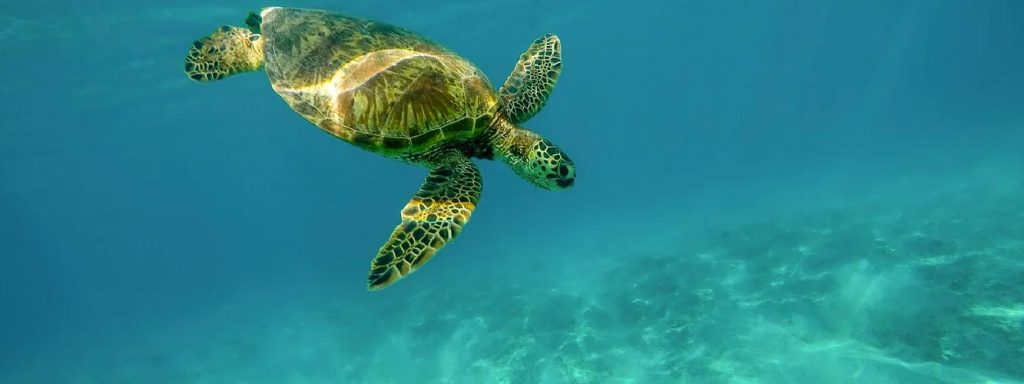
HSWRI staff served as the Team Leader of the Pacific Sea Turtle Recovery Team, professional biologists experienced with marine turtles in the Pacific region who drafted recovery plans for species of turtle in 1998. All six species of Pacific sea turtles were listed as endangered, so the team was tasked with creating a plan, if […]
Florida Leatherback Turtles
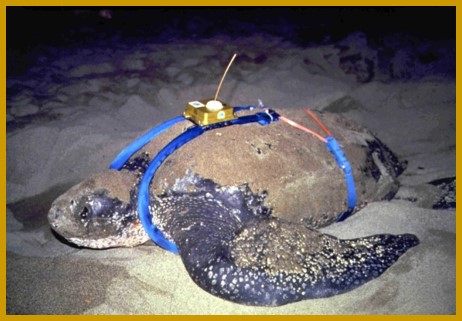
We tracked 10 leatherback turtles by satellite from 2 Florida Atlantic Coast nesting beaches for a period ranging from 38 days to more than 454 days. Movement and foraging areas were often coastal, which contrasts with other satellite telemetry studies where leatherbacks are more pelagic. Using kernel home-range estimation we identified the primary internesting residence […]
Leatherback Sea Turtle
Swim speed, dive behavior and movements were recorded for seven female leatherback sea turtles (Dermochelys coriacea) during a single internesting interval near St Croix in the US Virgin Islands. Turtles swam continuously throughout the day and night. There were two swim-speed patterns; the most common was slightly U-shaped,with high speeds at the initiation and conclusion of […]
Deep Rover
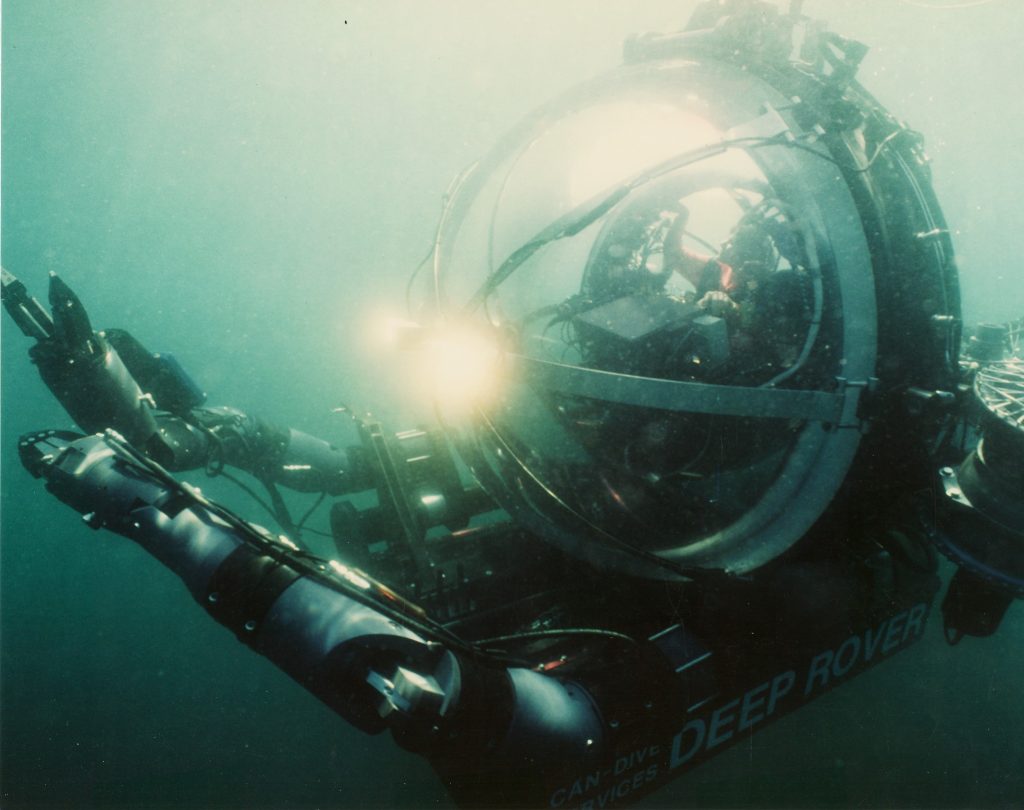
In 1985 HSWRI was part of the team that tested the Deep Rover at San Clemente Island, California. This pilot project was coordinated by Sylvia Earle who previously founded Deep Ocean Engineering and Deep Ocean Technology with British engineer Graham Hawkes in the early 1980s. Together they designed the submersible Deep Rover, a vehicle capable of […]
Leopard seals
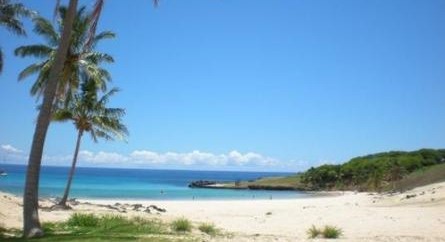
Though leopard seals live and reproduce almost exclusively in fast ice and pack ice habitats surrounding the Antarctic Continent, they have been reported to range northward to South Georgia in the South Atlantic Ocean, South Africa, Patagonia, New Zealand and several islands in the South Atlantic, South Pacific, and southern Indian oceans. We summarize recent […]
Green Abalone
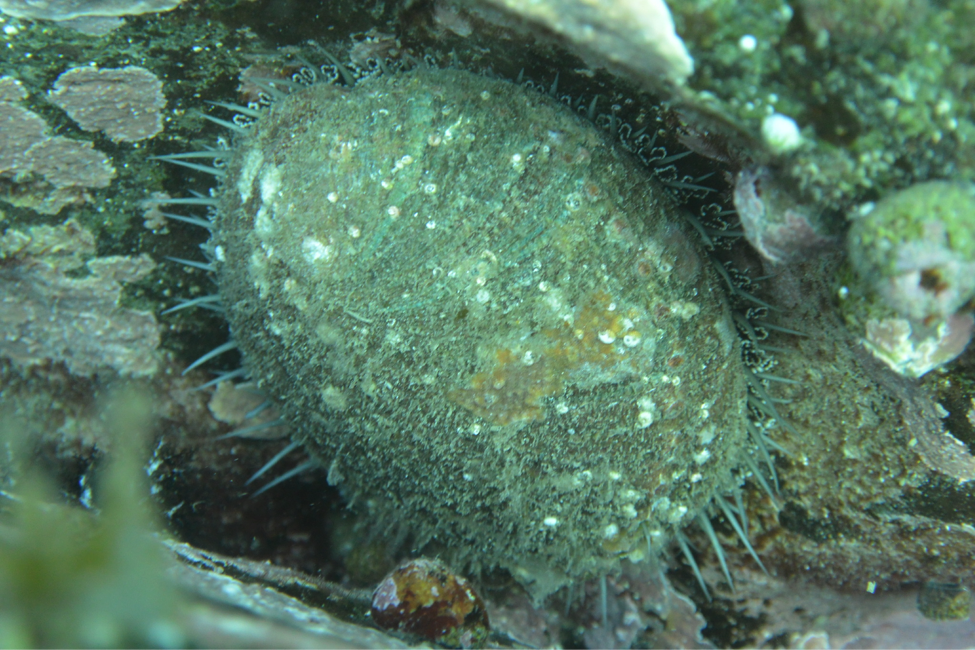
Due to severe declines in abundance throughout southern California, the green abalone (Haliotis fulgens Philippi 1845) became protected under a state-sponsored fishery moratorium in 1997 and was declared a NOAA NMFS Species of Concern in 2004. Recently, H. fulgens was chosen for possible stock restoration via translocation of wild adults to depleted habitat and supplementation through releasing cultured […]
Atlantic Bluefin Tuna
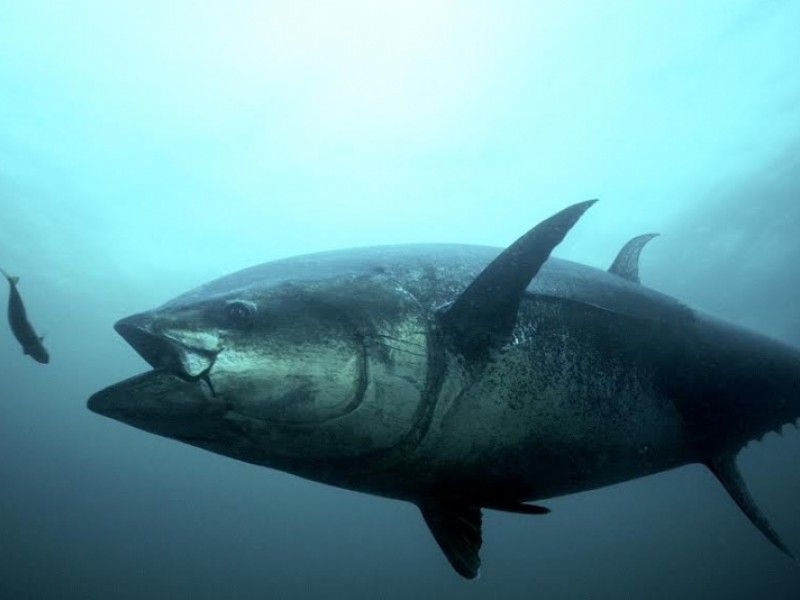
Pop-up satellite archival tags were implanted into 68 Atlantic bluefin tuna (Thunnus thynnus Linnaeus), ranging in size from 91 to 295kg, in the southern Gulf of Maine (n=67) and off the coast of North Carolina (n=1) between July 2002 and January 2003. Individuals tagged in the Gulf of Maine left that area in late fall […]
JJ the Gray Whale

In January 1997, a very young California gray whale was rescued near Marine del Rey, Los Angeles, and delivered to SeaWorld of California in San Diego. She was semi-comatose, severely infested with whale lice, and had numerous cuts and ulcers over her body. She weighed 758 kg, was 4.2 m long and judged to be […]
Basking Sharks
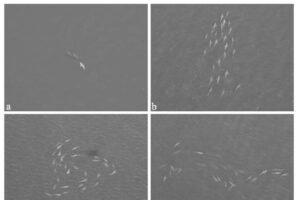
Schools of up to 50 basking sharks (Cetorhinus maximus) were observed on the warm side of a persistent thermal front in the southern Gulf of Maine from early September through mid-October 2002. Aerial photographs showed a variety of schooling patterns, including echelon, cartwheel and milling formations. While the function of these aggregations remains unknown, they […]