Seabass in the Classroom
Aquaculture for Students
Give students more than a lesson—give them a mission. Seabass in the Classroom immerses middle and high school students in real-world science as they raise, care for, and release juvenile white seabass. Along the way, they build critical thinking skills, engage deeply with STEM concepts, and discover career pathways in marine biology, aquaculture, and environmental science.
Educators benefit from a turnkey program that brings conservation and sustainability to life in the classroom. With over 1,000 students participating annually at schools across Southern California, this program delivers hands-on learning while fostering the next generation of ocean stewards.
Why do students need to learn about aquaculture?
Currently, we import 91% of the seafood we consume in the U.S. Importing all that seafood costs us $16 billion annually, the second-highest expense for the U.S. after oil importation. Plus, that seafood carries a large carbon footprint; we’re importing all this seafood from other countries that has to be shipped or flown in on transportation powered by fossil fuels.
The human population keeps growing, so we need to eat more food from high-protein sources, but we can’t seem to catch more fish. We’ve tried bigger boats and better technologies, but there are just fewer fish out there. The amount of fish caught in the wild has been decreasing or stagnant since the late 1980s. Aquaculture is an obvious solution, farming the sea like we farm the land. The first year that we produced more fish worldwide from aquaculture than we caught in the wild was 2009. [FAO] Ocean farming uses little if any fresh water, making it one of the most eco-friendly types of farming. Fish are also the best converters of food into edible protein of any farmed animal, meaning that it takes less food to farm 1 pound of fish than it does to farm 1 pound of meat or poultry. This is because water supports the fish’s body weight, so they don’t need to expend energy fighting gravity like land animals do. Furthermore, while 71% of our planet is covered in oceans, only 2% of our food comes from the sea. Seafood is also a healthy source of lean protein and Omega-3 fatty acids.
America has the most coastline of any country to support these aquaculture efforts, so we should take advantage of it. That way, we’d decrease our dependence on other countries, decrease our trade deficit, and stimulate the economy by producing jobs. Engineers, nutritionists, aquatic biologists, veterinarians, and more are all needed to smoothly operate a fish farm. There are so many pieces that go into making sure a facility is successful. We’re working to educate and inspire the next generation, as they’ll be the ones building, designing, and creating the fish farms of the future to feed the U.S. population.
What does the Seabass in the Classroom program entail for students?
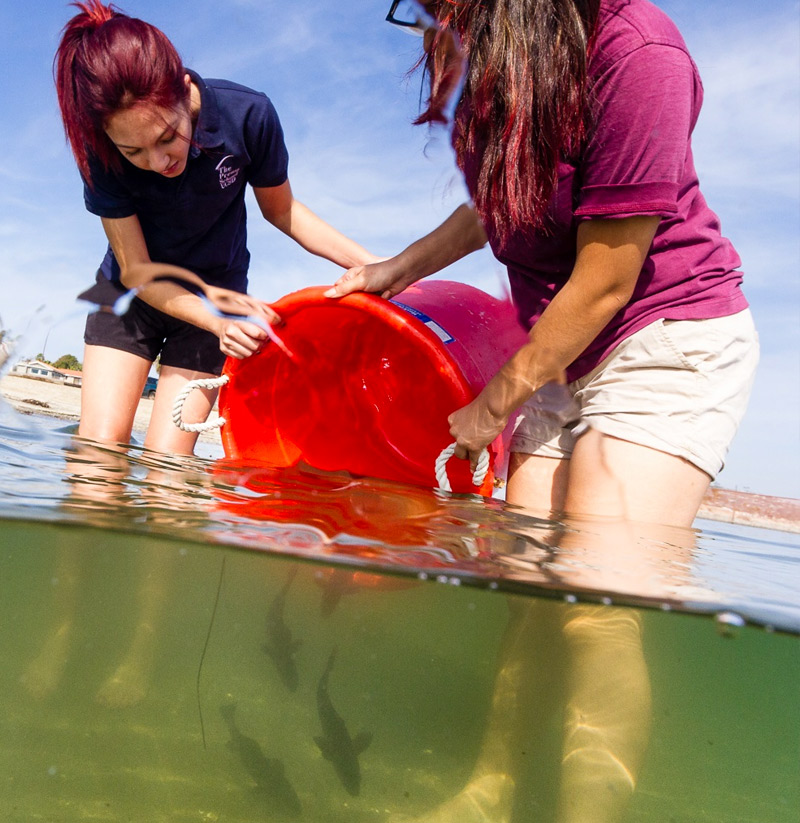
The Seabass in the Classroom (SITC) education program is a saltwater classroom aquaculture program using cultured fish. This program was initiated to provide students at schools in southern California the opportunity to learn about aquaculture, fisheries, and seafood sustainability by growing juvenile white seabass in their classrooms for release into the ocean. Through this hands-on classroom program, students learn about societal issues, such as food security and emerging industries, through fun and engaging science required to support the growth and sustainability of the aquaculture industry in southern California and the nation.
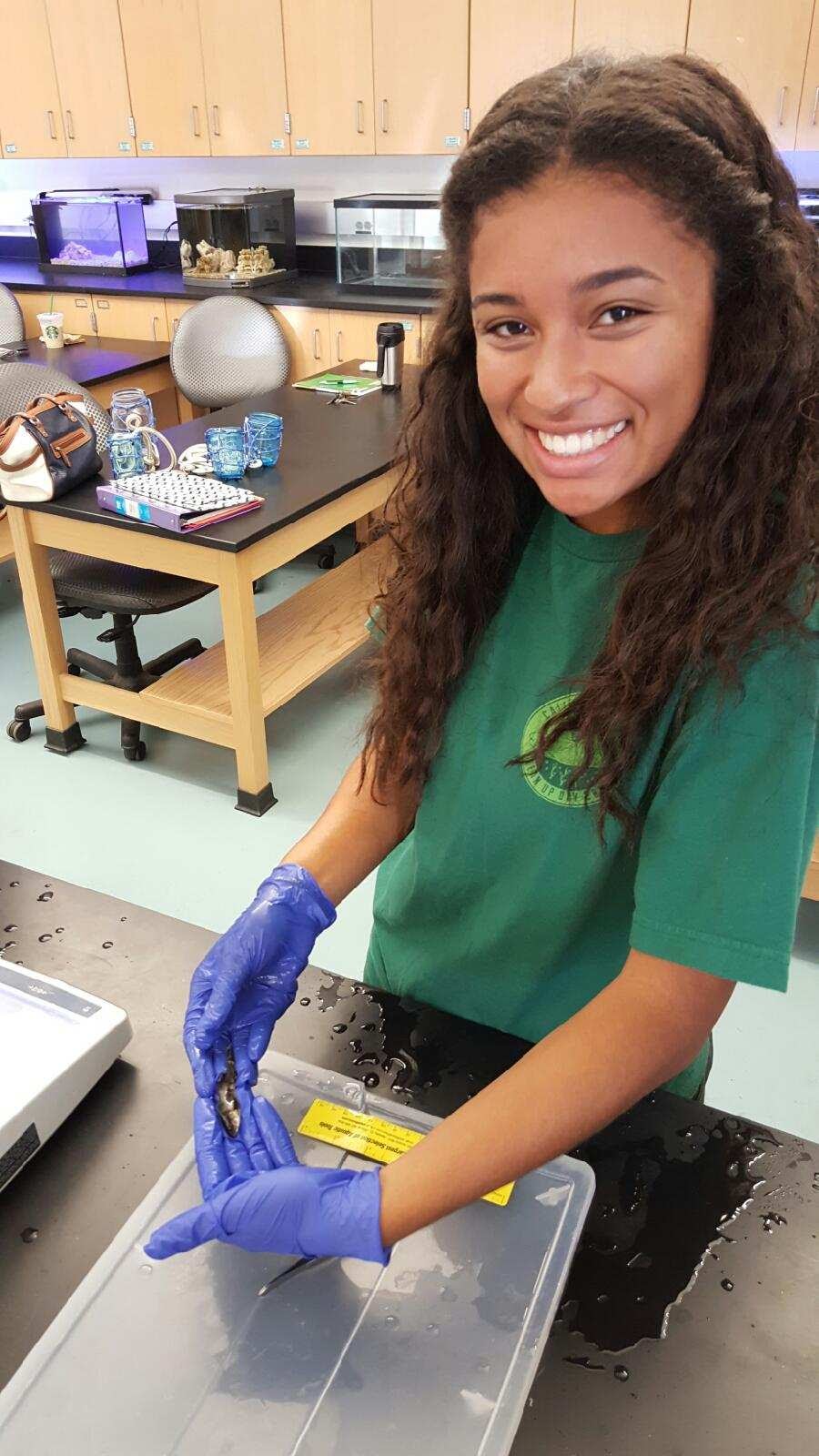
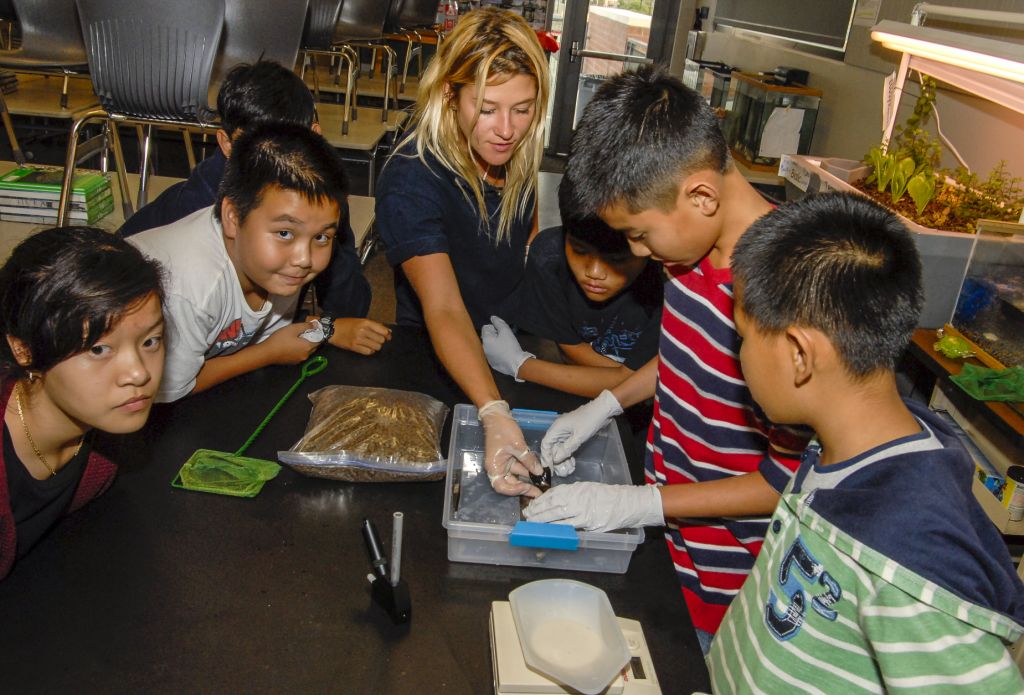
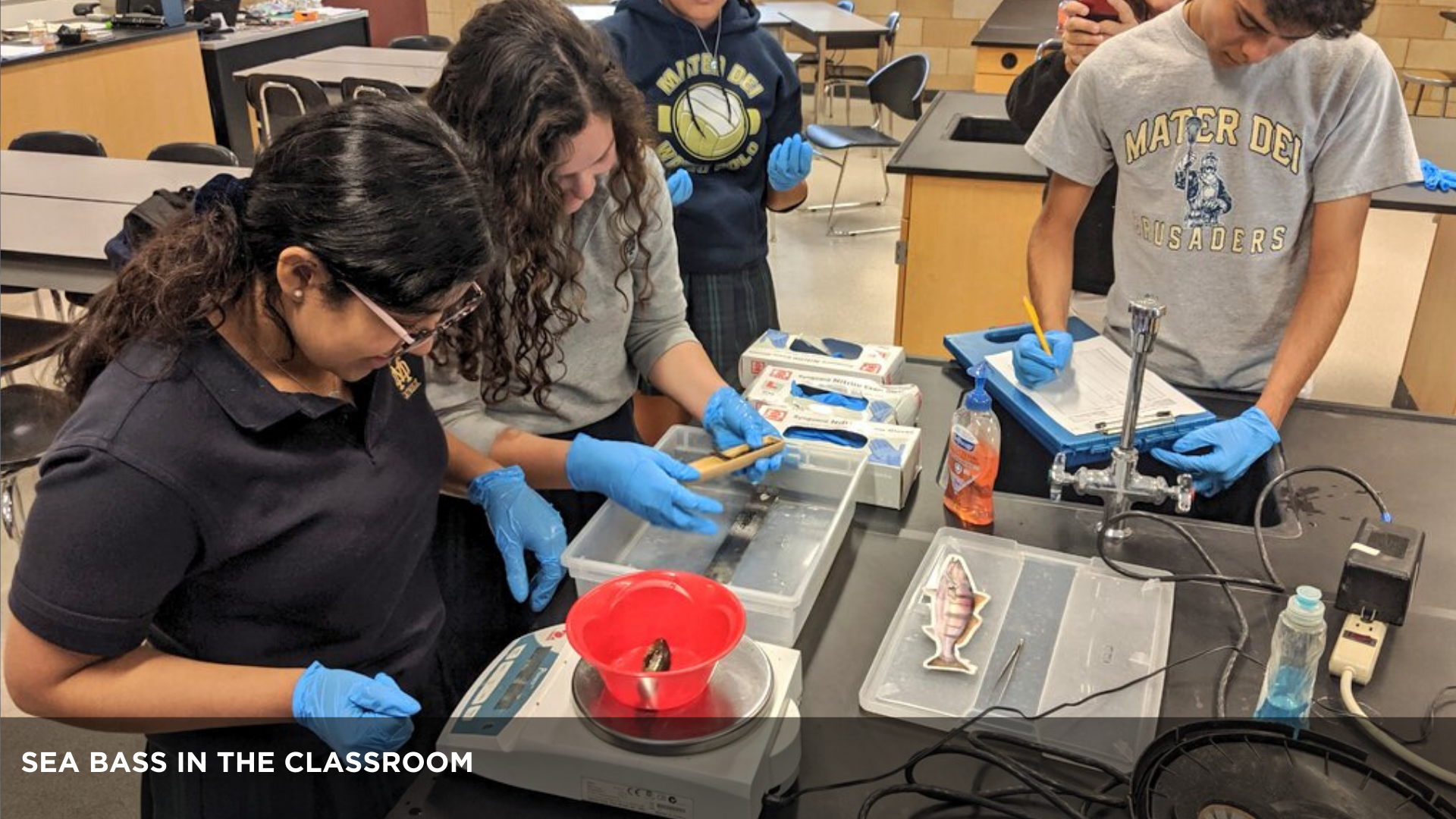
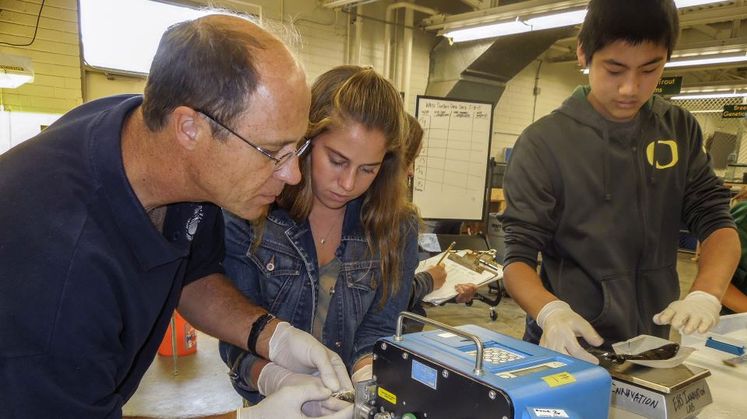
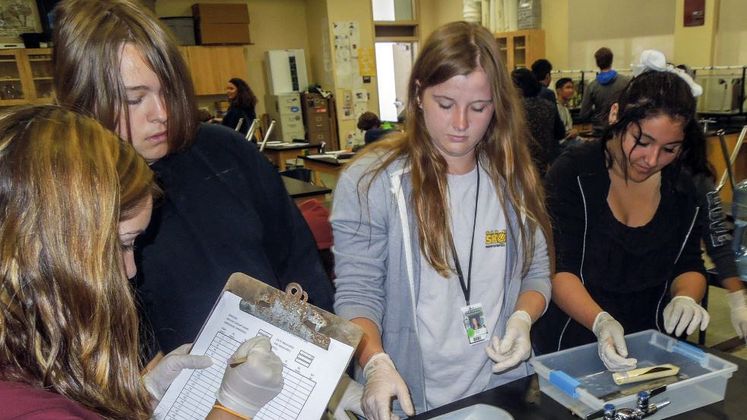
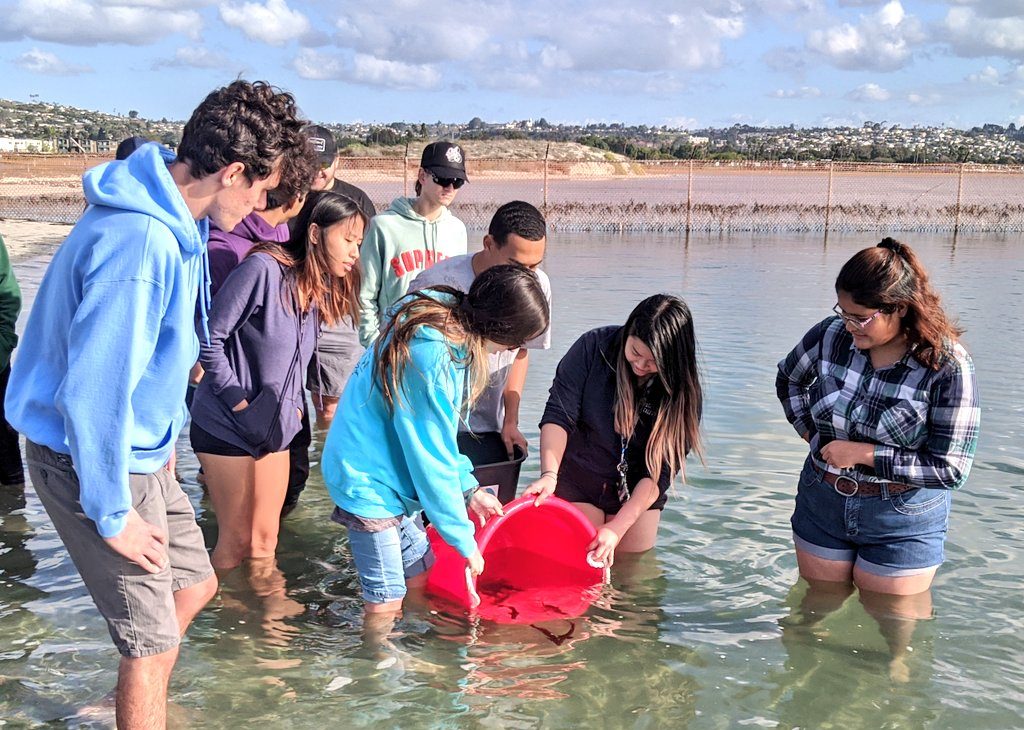
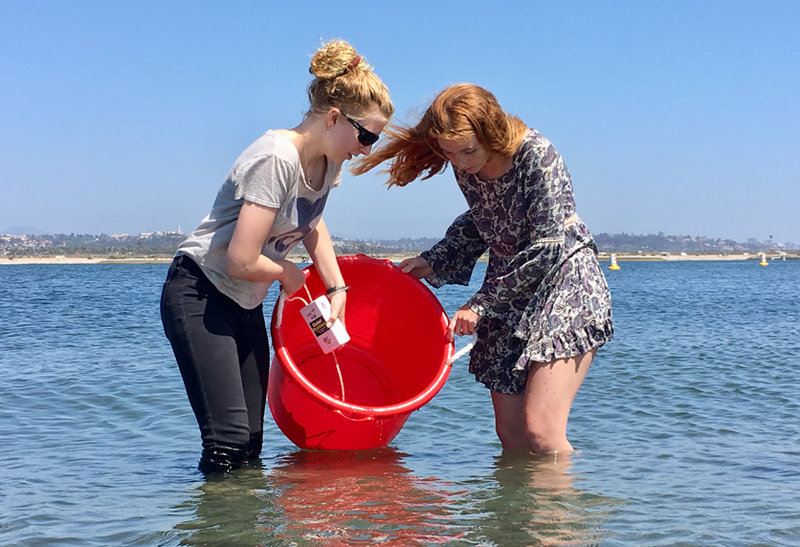
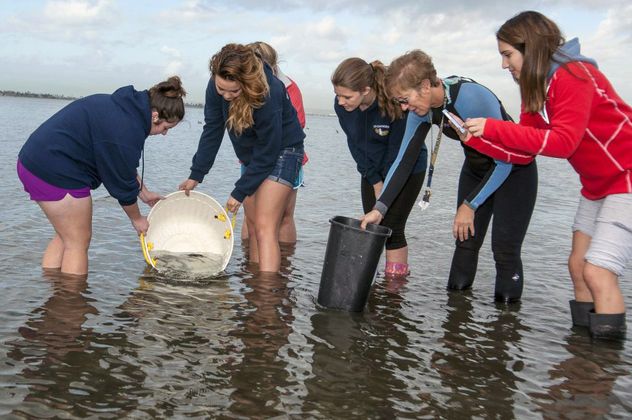
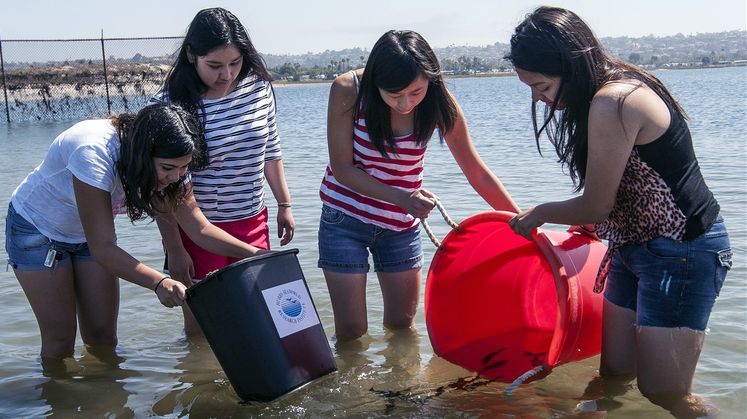
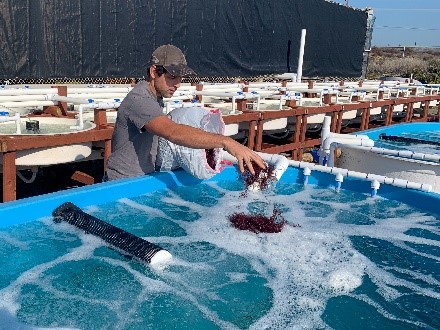
Each classroom participating in the program has a purpose-built recirculating marine aquaculture system for the culture of white seabass, which requires student participation with system maintenance, water quality monitoring, feeding, food conversion efficiency, and basic fish husbandry as a supplement to classroom instruction about the science of aquaculture. Students measure, weigh, and tag the fish prior to getting a health inspection by the California Department of Fish and Wildlife, after which they release the fish into the ocean. Additionally, they participate in discussions of the health of the oceans worldwide, the nutritional benefits of eating seafood, and the historical trends of fishing and population increase. Furthermore, students get the opportunity to tour HSWRI’s 22,000-square-foot marine fish hatchery.
Personal experiences like this program, along with adequate resources and reliable educational research, are important to assist educators in teaching ocean and aquatic sciences and related environmental stewardship.
How does the Seabass in the Classroom program align with the Next Generation Science Standards?
The SITC program is unique in that it provides opportunities for cross-functional learning. Not only are students engaging with science and aquaculture principles, but they are also engaged in math calculations, science reading comprehension and analytical writing, and research presentations with their peers. Lesson plans have been developed by HSWRI and collaborating teachers specifically to align with the Next Generation Science Standards.
What is the impact of the Seabass in the Classroom program?
This program exposes over 1,000 students each year in partner schools that have released over 4,000 fish into the oceans of Southern California. Many of these students attend Title I (low income) schools or come from areas where they don’t have frequent exposure to the ocean and marine life.