Farm-to-Table
Demonstrating the future of sustainable seafood
What We Do
HSWRI’s Farm-to-Table research demonstrates how fish, invertebrates, and seaweeds can also be raised for direct human consumption. These projects bridge aquaculture science and real-world production, providing a roadmap for sustainable, domestic seafood systems.
Our team evaluates species’ biological suitability, marketability, environmental impact, and commercial potential. From early-stage larval rearing to offshore cage trials, each study helps inform best practices and prove viability for large-scale aquaculture on the U.S. West Coast.
Why It Matters
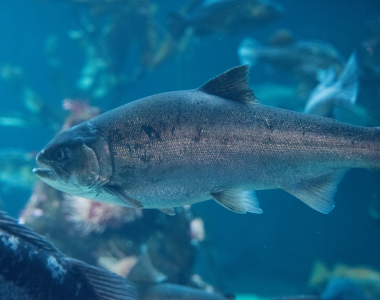
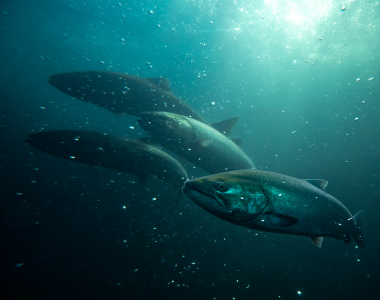
Most fish cultured commercially in the U.S.—trout, salmon, redfish, striped bass, catfish—originated in stocking programs. Once spawning and larval rearing techniques are refined, many of these species become strong candidates for farm-to-table aquaculture.
As global demand for protein rises, this work supports food security, reduces pressure on wild fish stocks, and builds local economies by creating new opportunities in coastal aquaculture.
Key Focus Areas
Biological suitability for direct-to-market aquaculture
Growth rates, feed conversion, and species health
Environmental monitoring of offshore operations
Economic Modeling for commercial feasibility
Market acceptance, pricing, & buyer feedback
Recent Projects
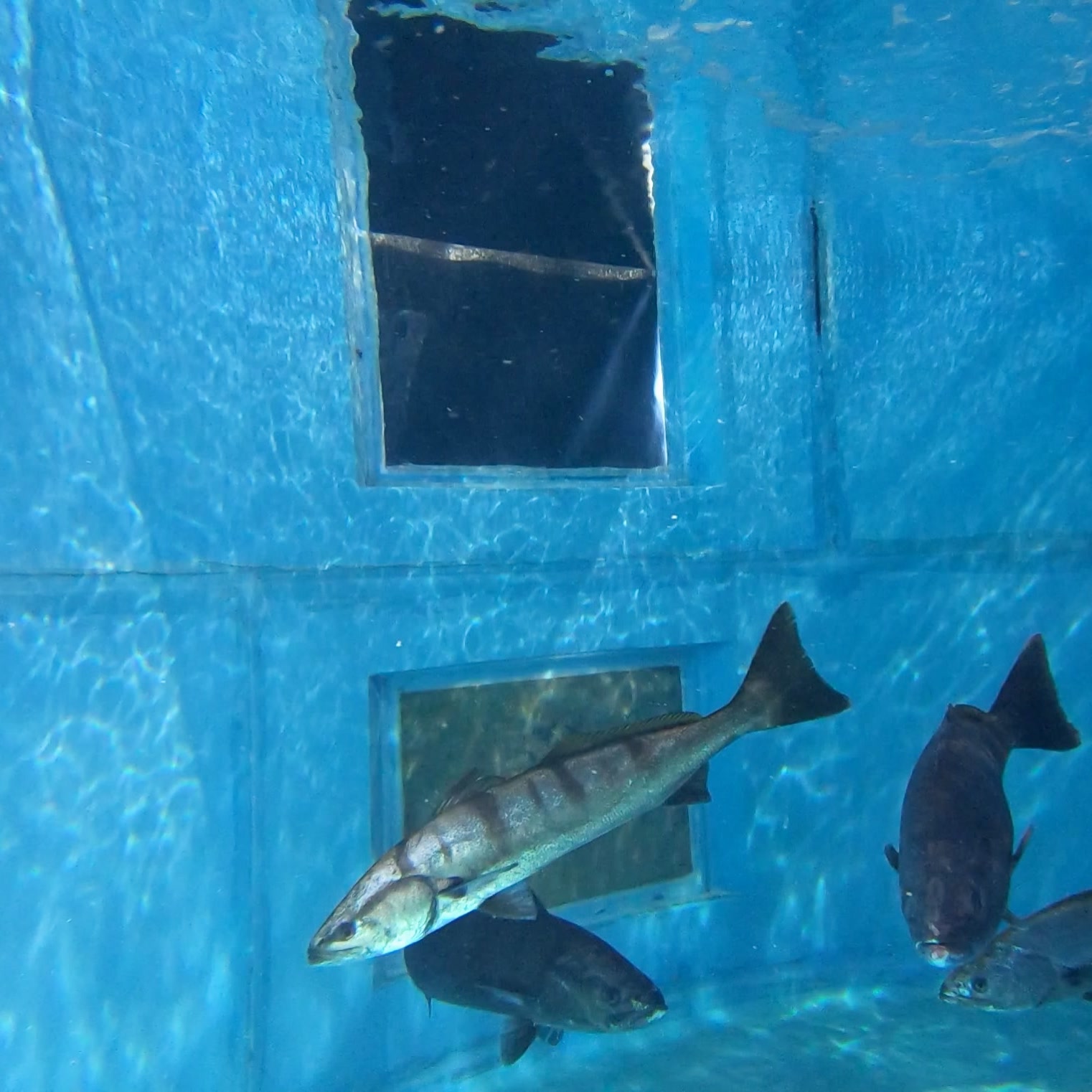
Shellfish Hatchery and Seedstock Production
HSWRI is developing a dedicated shellfish hatchery focused on refining aquaculture protocols and producing reliable seedstock for native and naturalized shellfish species. This initiative prioritizes key California shellfish, including native oysters and scallops, aiming to enhance juvenile survival rates, optimize growth conditions, and establish efficient hatchery techniques. The project provides a foundation for scalable, sustainable shellfish aquaculture, supporting both ecological restoration efforts and the development of resilient local seafood economies.
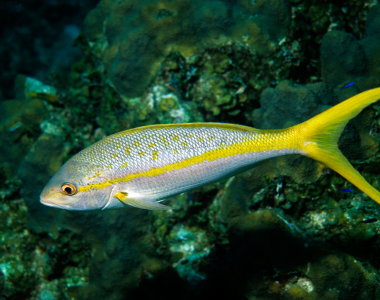
California Yellowtail: Culture Optimization & Market Feasibility
IHSWRI is advancing research to refine the hatchery production and grow-out of California yellowtail as a premium, locally farmed seafood option. Building on past offshore cage trials, current efforts are focused on optimizing hatchery conditions, diet formulations, juvenile survival, and growth rates under controlled conditions. Researchers are also conducting detailed economic analyses of production costs and market potential to evaluate commercial feasibility for U.S.-based operations. The project supports development of a resilient, high-value domestic yellowtail aquaculture industry that can reduce reliance on imported seafood and strengthen the regional blue economy.