

Integrated Multi-Trophic Aquaculture
Closing the loop in marine farming
What We Do
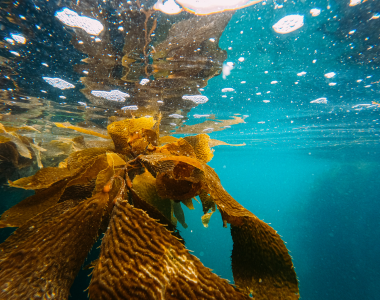
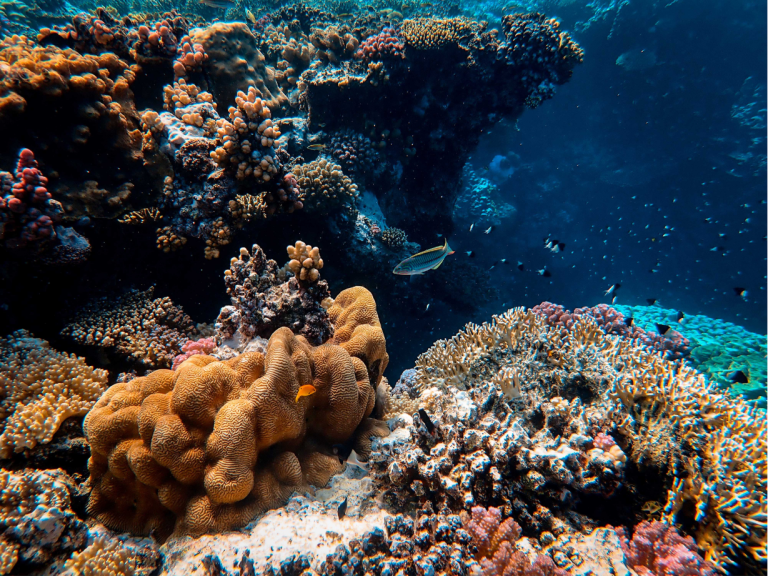
At HSWRI, our Integrated Multi-Trophic Aquaculture (IMTA) research focuses on developing sustainable, highly efficient, and integrated systems that combine species from different trophic levels—such as fish, invertebrates, and seaweeds—into a single, environmentally systematic aquaculture model.
By recycling nutrients from one species to the next, IMTA systems reduce waste, mimic natural ecosystems, and offer promising solutions for scalable, low-impact food production.
While IMTA has been studied extensively in other regions, its application using native California species is still emerging. Our work fills a vital gap by combining field-tested aquaculture infrastructure with ecological modeling and food production goals, providing a template for sustainable blue economy development in the U.S.
Why It Matters
Aquaculture is the fastest-growing sector of global food production, but traditional approaches often rely heavily on external inputs and create waste. IMTA addresses these challenges by creating self-supporting systems where excess nutrients from finfish can be absorbed and converted by invertebrates and seaweeds, and the seaweeds can be used as food for herbivorous invertebrates in the system.
This improves environmental performance and diversifies outputs, adds economic and ecological resilience to aquaculture enterprises, critical advantages as demand for sustainable protein sources grows.
Key Focus Areas
Evaluate nutrient recycling efficiency and water quality across system types
Measure growth and health metrics for fish, invertebrates, and seaweed in IMTA setups
Model nutrient flux, biomass conversion, and economic viability under varying stocking densities
Identify effective pairings of local species for performance, compatibility, and market demand
Explore IMTA’s potential role in carbon capture and habitat enrichment
Recent Projects
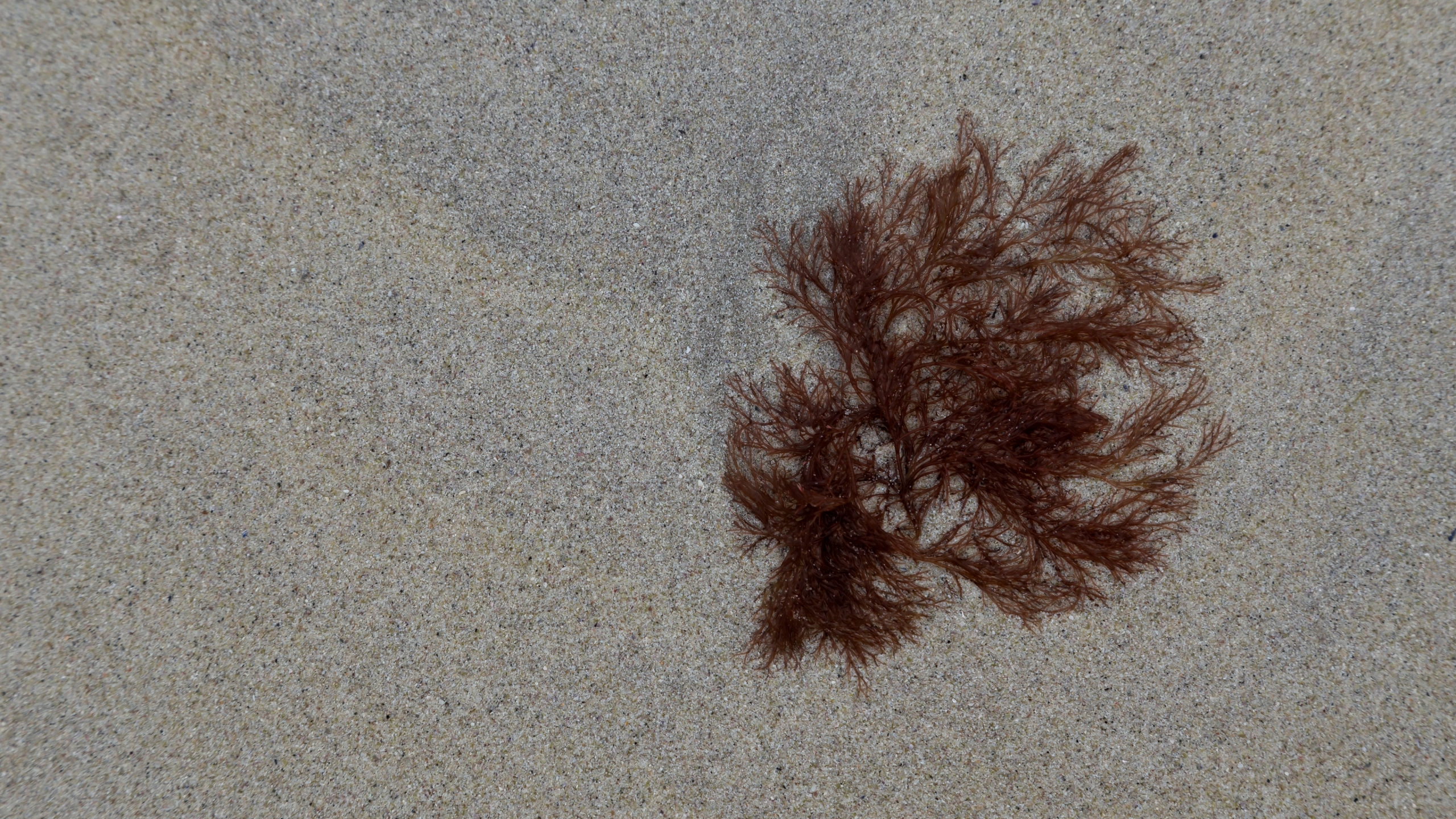
Native Seaweed Cultivation
HSWRI is currently cultivating native Southern California macroalgae species—including Ulva lactuca, Gracilaria pacifica, and Pyropia perforata—to optimize sustainable production and enhance environmental benefits. By experimenting with various growth conditions, such as different levels of aeration, seasonal light and temperature, and nutrient availability, researchers aim to maximize yield, improve nutrient uptake efficiency, and evaluate the commercial viability of seaweed as a sustainable resource for food, agriculture, and other uses.
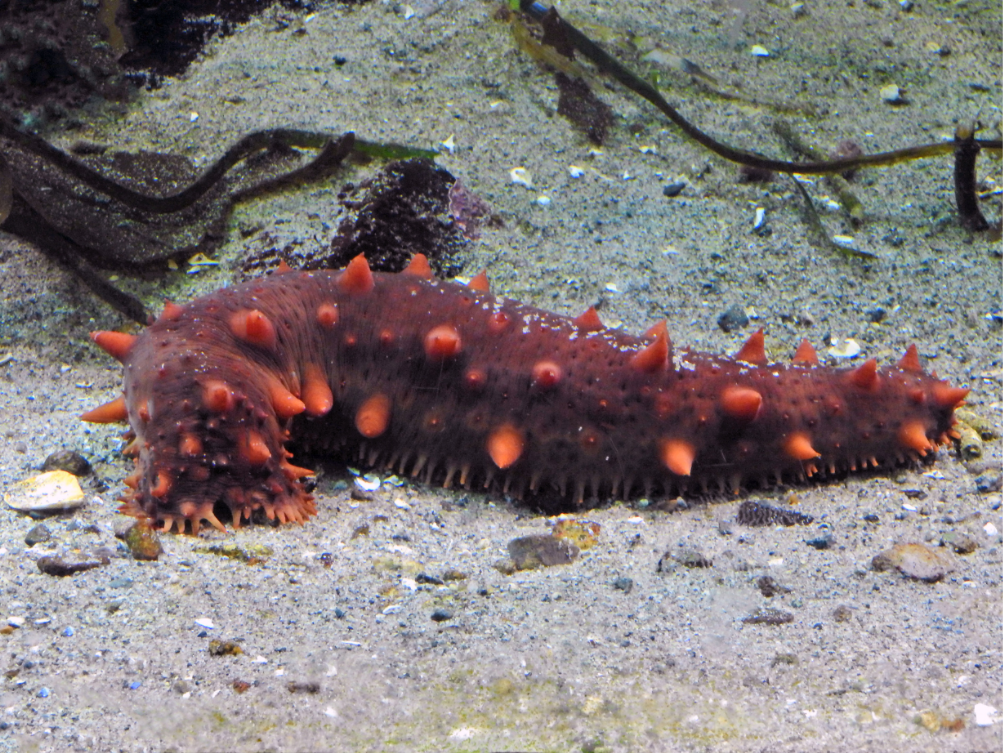
Multi-Trophic Land-Based System: Finfish, Sea Cucumbers & Seaweed
Expanding beyond earlier IMTA designs, HSWRI has established a pilot project integrating juvenile California halibut and California yellowtail, warty sea cucumbers, and macroalgae in a single land-based system. This innovative multi-species setup leverages sea cucumbers to capture detrital waste produced by the fish, converting it into valuable biomass, while the macroalgae further enhance dissolved nutrient remediation, thereby improving water quality. Seasonal trials in flow-through systems help researchers optimize species ratios and management practices, advancing sustainable aquaculture models specifically tailored for California’s coastal environment.
Related Historical Publications
Bartley, D.M., D.B. Kent, and M.A. Drawbridge.
Conservation of genetic diversity in a white seabass hatchery enhancement program in southern California. American Fisheries Society Symposium 15:249-258.
Kent, D.B., M.A. Drawbridge, and R.F. Ford.
Accomplishments and roadblocks of a marine stock enhancement program for white seabass in California. American Fisheries Society Symposium 15:492-498.
Drawbridge, M.A.
Chapter 11: The Role of Aquaculture in the Restoration of Coastal Fisheries. In: Ecological Aquaculture, the Evolution of the Blue Revolution. Barry Costa-Pierce (ed). Blackwell Science. Osney Mead, Oxford. p. 314-336.