

White Seabass Success
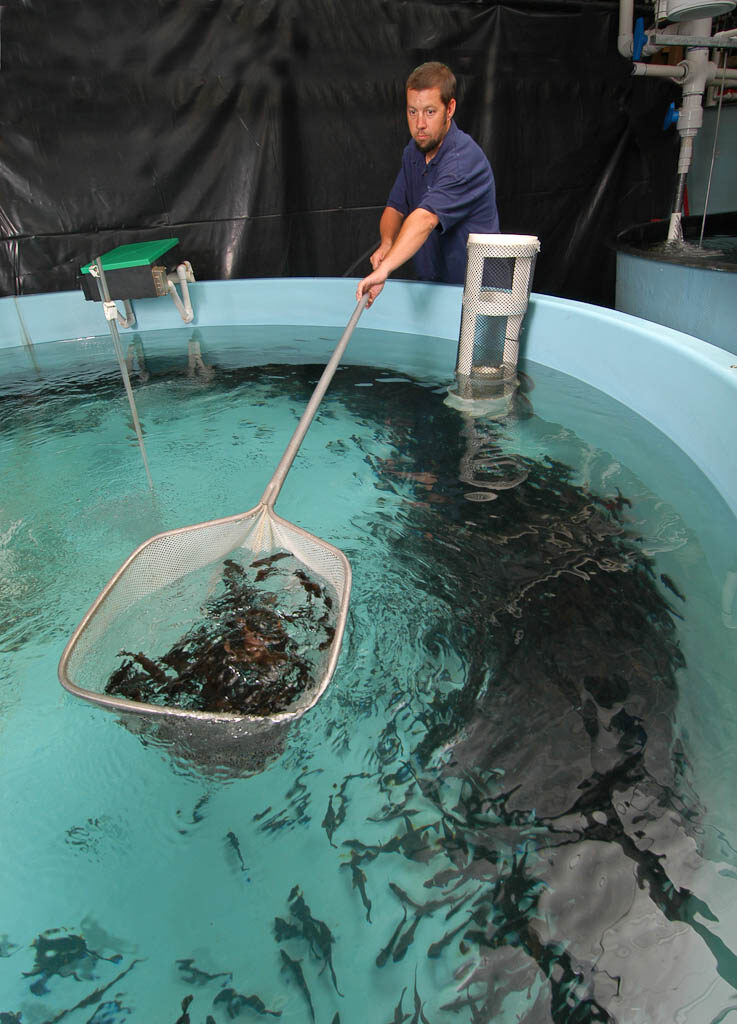
In a four-year collaborative study between HSWRI and the South Carolina Department of Natural Resources (SCDNR), genotypes were made for 500 seabass brood fish dating back to 1996, when the Carlsbad hatchery first started operation. SCDNR was able to use a genetic marker to supplement coded wire tagging (CWT) data. Using the genetic marker, we […]
COVID’s Impact
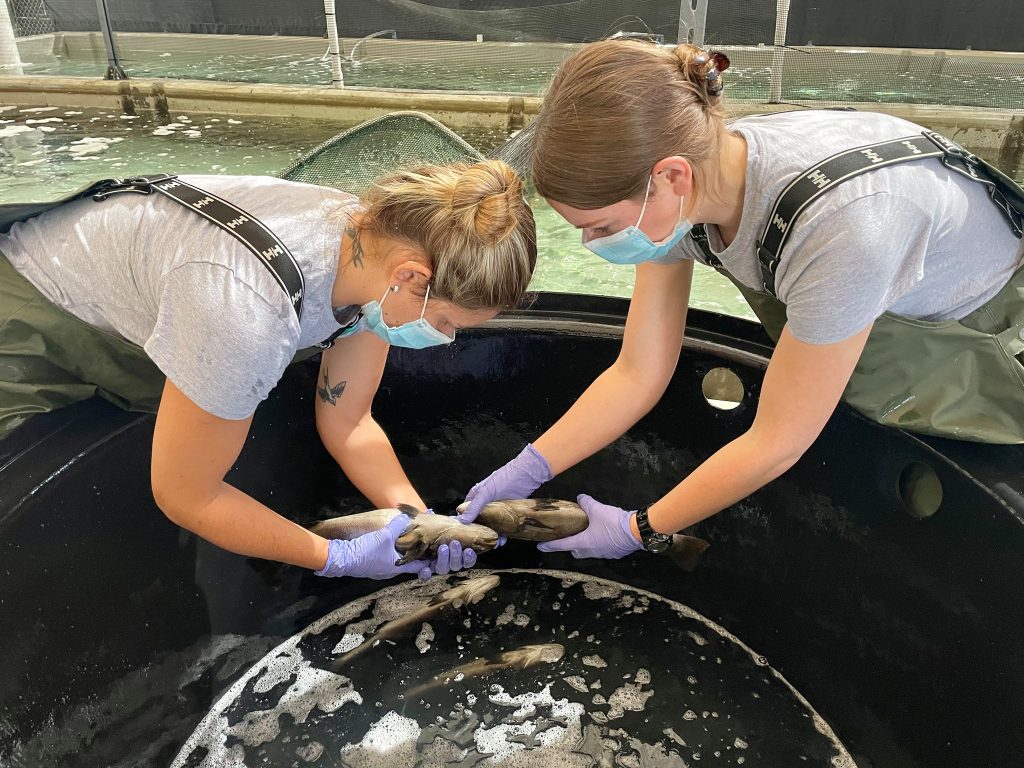
Beginning in March 2020, the Institute implemented procedures designed to minimize risks to employee health, closing its doors to the public and limiting employee presence at all facilities to essential personnel (for example, fish life support). Research activities slowly resumed in accordance with changing guidance from public health officials. All field work was interrupted by […]
Fishing Gear Pingers
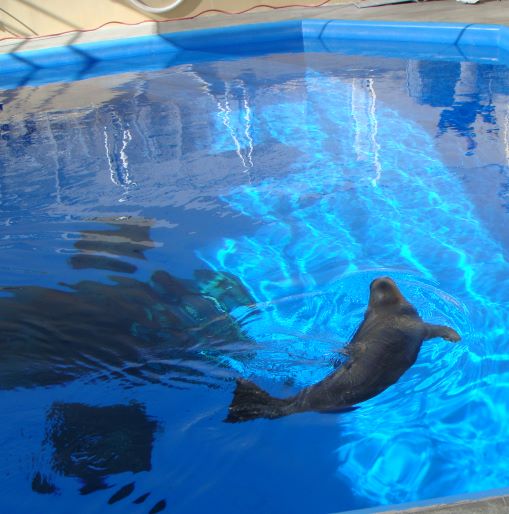
Marine mammals are vulnerable to entanglement in nets and lines, so we tested whether pingers attached to fishing gear would deter entanglements with various marine at SeaWorld San Diego. Marine mammal responses to pingers differed strikingly between animals, but all of the animals initially showed aversion to the sound. Harbor seals left the test pool […]
Astrovirus
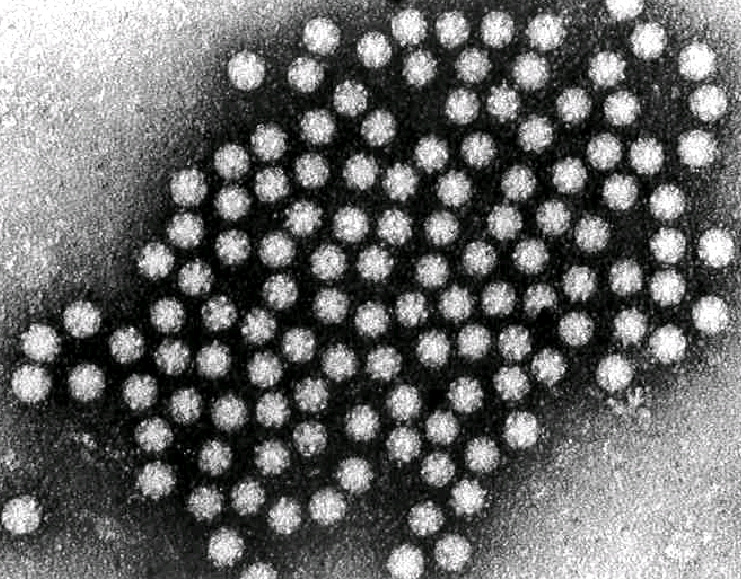
Astroviruses are a type of virus that was first discovered in 1975 using electron microscopes following an outbreak of diarrhea in humans. In 2010, there were only one known astrovirus in humans and six officially recognized astrovirus species in other mammals. HSWRI researchers discovered the first astroviruses in marine mammals. We used consensus PCR techniques for initial identification of five astroviruses of marine […]
Red Tide
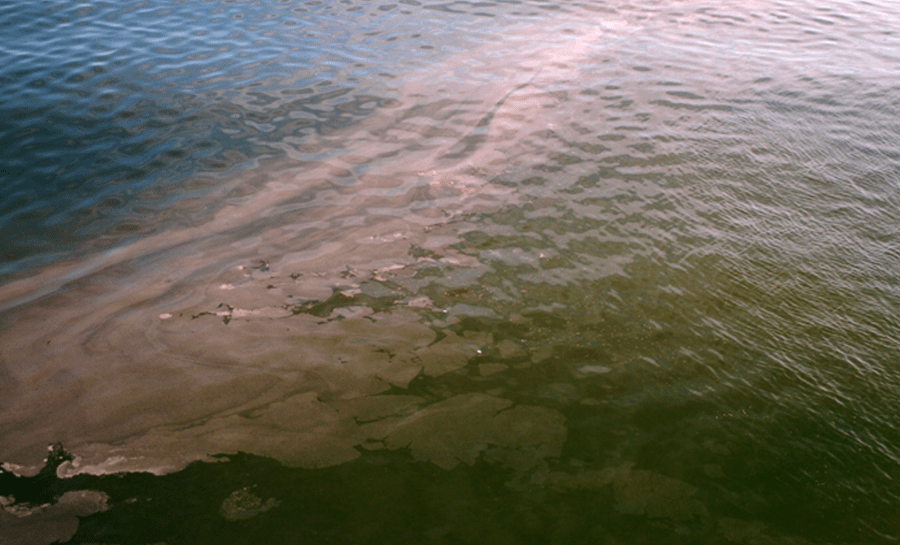
HSWRI researchers were part of the team that documented the first mass mortality of bottlenose dolphins and Florida manatees caused by a severe bloom of the toxic algal species Karenia brevis along the eastern coast of Florida, between October 2007 and January 2008. A potent neurotoxin produced by this marine alga was detected 92% of […]
Fish Pingers
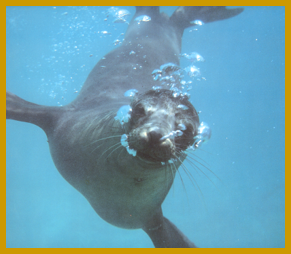
Researchers routinely tag fish with acoustic pingers, which allow the tracking their movements to determine population movements and patterns. Marine mammals may be able to use those tags to locate and eat the fish. Researchers first measured the acoustical properties of these tags in fish in Mission Bay, San Diego, CA. We then tested these […]
Manatee Diets
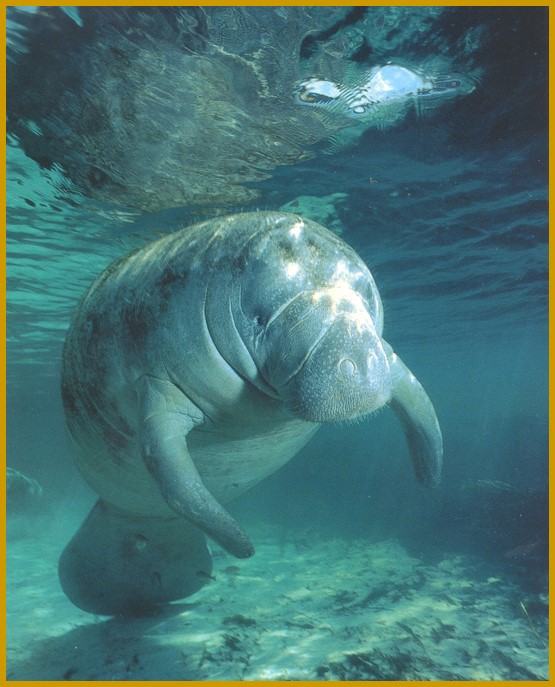
HSWRI researchers performed the first isotope analysis of Florida manatees as a baseline to determine wild manatee diets. Manatees feed on a variety of plants in fresh, estuarine and marine habitats, but it’s difficult to determine their actual diets in the wild, since they usually eat in turbid water. Researchers analyzed skin samples from nine […]
Elephant Seals
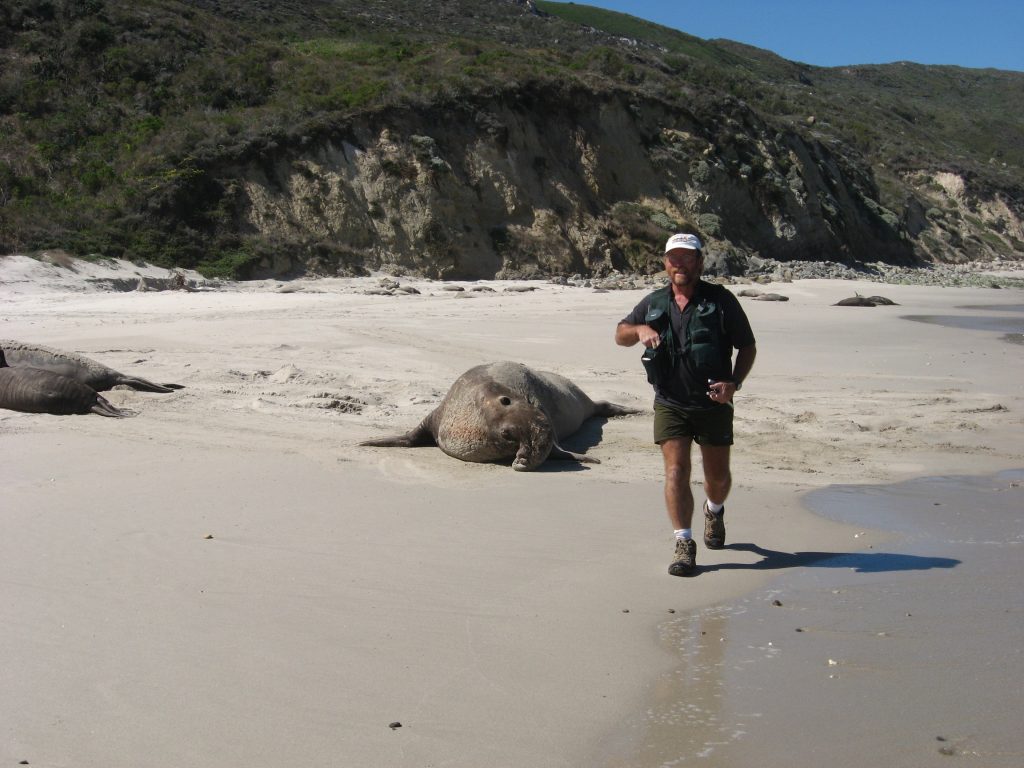
HSWRI researchers discovered that adult northern elephant seals, who both breed and molt on California’s Channel Islands, go to sea twice each year during which they range widely in the northern Pacific Ocean. Using new tracking technology, we found that elephant seals returned to the same foraging areas during post-breeding and post-molt movements, documenting the […]