
Channel Islands
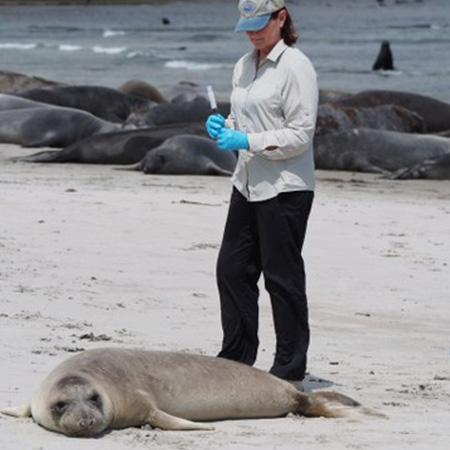
Marine mammal and other native wildlife surveys going back to the 1970s, providing baseline data for current research. Northern elephant seals were hunted to near extinction in the 19th century. Protection allowed them to recolonize former habitat on islands off California, where the population by the 1970s was increasing more than 14 percent per year. […]
Marine Mammal Stranding
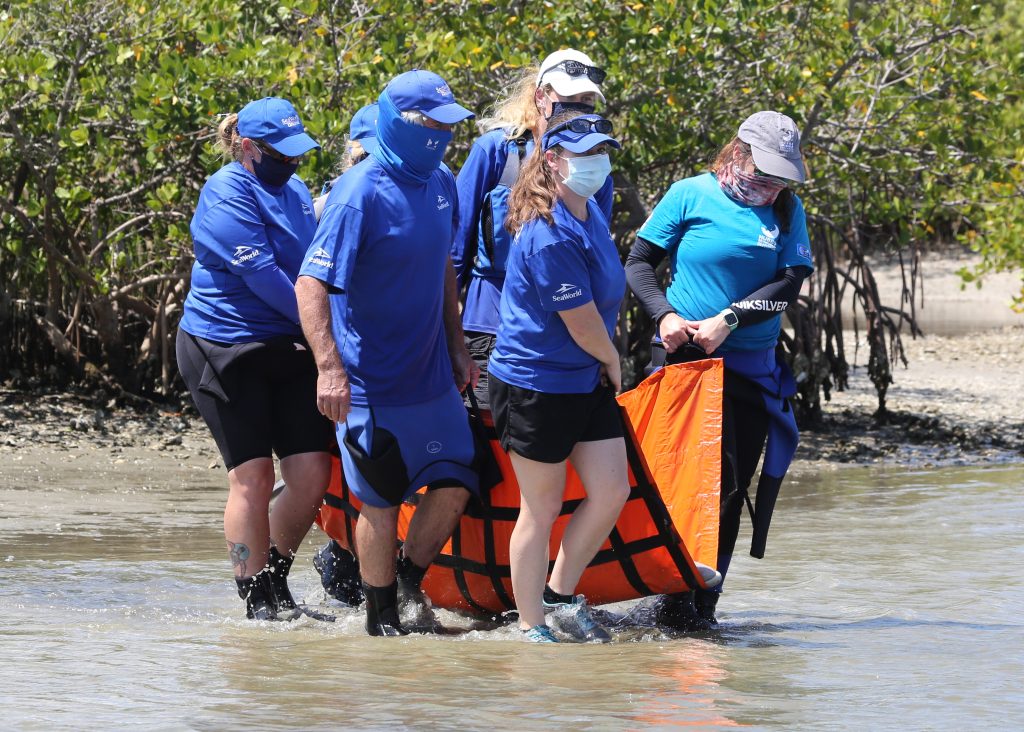
HSWRI has been a member of the NOAA-sponsored stranding response team since its formation in 1997 and has received dedicated funding as a member of NOAA’s John H. Prescott Marine Mammal Rescue Assistance program since its formation in 2002. We provide emergency stranding response for 40% of Florida’s east coast, including 1,100 square miles of […]
California Yellowtail
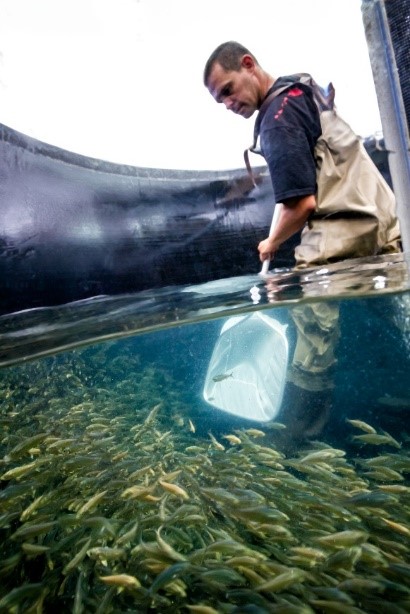
HSWRI researchers were the first to successfully spawn and rear the larvae of California yellowtail from broodstock collected in the early 2000s. California yellowtail is an sportfish indigineous to southern California which is marketed as hamachi. Extensive research has documented the optimal conditions for farm raising this desirable finfish, which is usually marketed in sushi restaurants […]
California Halibut
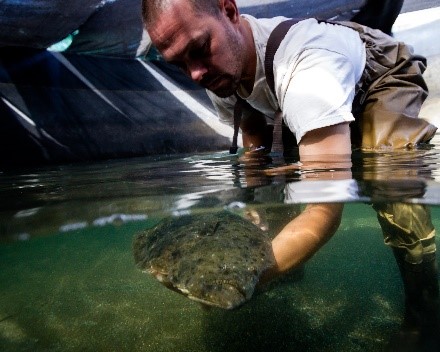
The California halibut (Paralichthys californicus) is a good candidate for aquaculture due to its good growth, survival and high commercial value. Several farms in the Western coast of North America are currently evaluating the potential of this species under commercial conditions. However, one of the main problems in the production of juveniles for commercial purposes is […]
Whale Shark Genetics
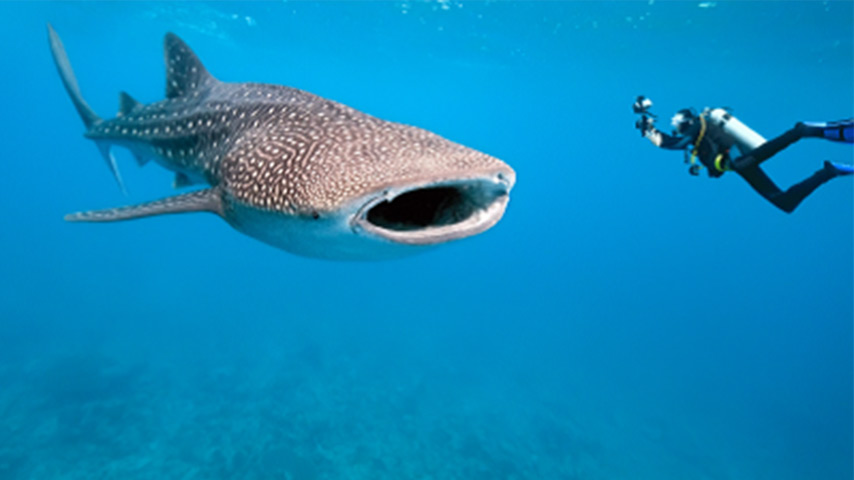
Large pelagic vertebrates pose special conservation challenges because their movements generally exceed the boundaries of any single jurisdiction. To assess the population structure of whale sharks (Rhincodon typus), we sequenced complete mitochondrial DNA control regions from individuals collected across a global distribution. We observed 51 single site polymorphisms and 8 regions with indels comprising 44 […]