

Whale Surveys
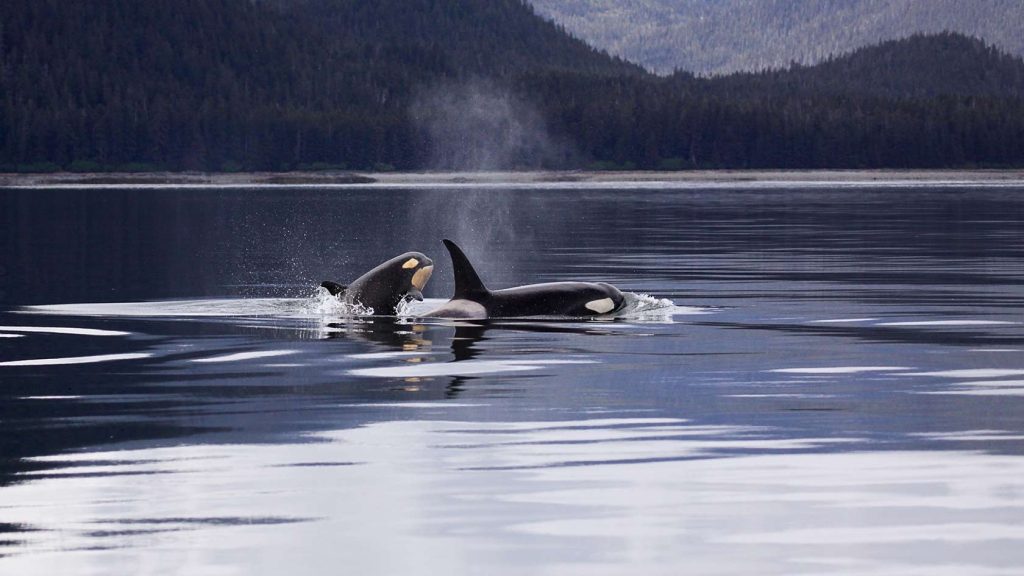
Randomized aerial surveys were flown between 26 July and 26 August 1984 to search for cetaceans in two areas of southwestern Alaska on both Bering Sea and Pacific Ocean sides of the Aleutian Islands. Sightings were made of gray whales, fin whales, minke whales, beaked whales, killer whales and harbor porpoises. The low number of […]
Dolphin Boat Surveys
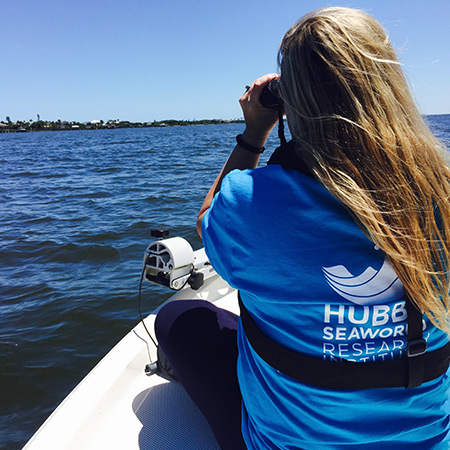
Our team is committed to monitoring dolphin health and distribution along the east coast of Florida including the Indian River Lagoon and the Halifax River Estuary. Vessel-based survey efforts provide abundance estimates that are critical to monitoring and managing dolphin populations that are consistently exposed to unexplained mortality events and increasing prevalence of human impacts. […]
Baiji Dolphins
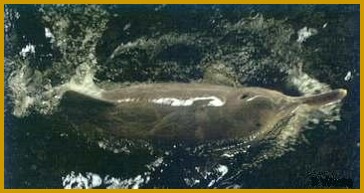
HSWRI researchers participated in a survey on the Yangtze River, searching for both the Yangtze finless porpoise and the rarer baiji. These porpoises are the only freshwater population of porpoises in the world, have been listed as Endangered by IUCN, and had been legally protected in China since 1975. After surveying the current river range […]
American Marten
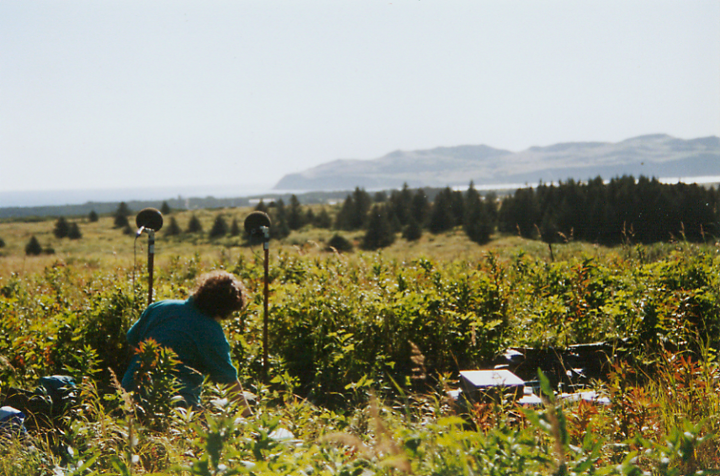
Motorized recreation in North American wildlands is increasing, and technological developments in the power and range of vehicles has increased access to high-elevation habitats. The American marten (Martes americana) is vulnerable to this disturbance because martens, like other residents of high-elevation forests, are associated with remote wilderness conditions where the presence of motorized vehicles is […]
Northern Spotted Owls
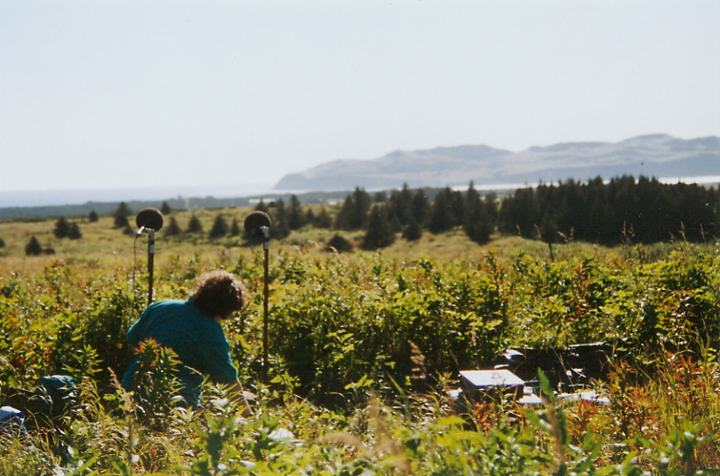
The iconic northern spotted owl was first listed as threatened in 1990, which led to 80% reduced logging in federal forests. Timber interests and conservatives have cited the northern spotted owl as an example of excessive or misguided environmental protection, but many environmentalists view the owl as an indicator species, whose preservation has created protection for […]
White Seabass Replenishment
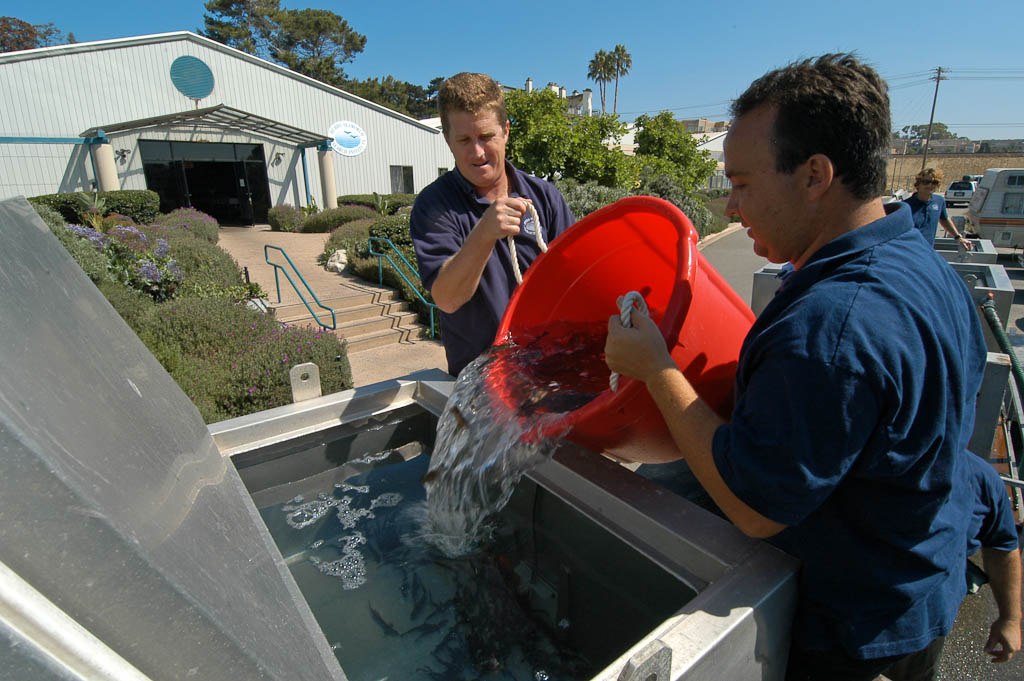
We evaluate post-release dispersal, growth and survival of hatchery-reared white seabass (Atractoscion nobilis) released as part of an experimental stock enhancement program in California. Releases of hatchery white seabass have been carried out since 1986, year round either directly from the hatchery or after acclimation in net pens. All released fish are implanted with coded […]
Stock Enhancement
[et_pb_section fb_built=”1″ _builder_version=”4.5.1″ _module_preset=”default”][et_pb_row _builder_version=”4.5.1″ _module_preset=”default”][et_pb_column type=”4_4″ _builder_version=”4.5.1″ _module_preset=”default”][et_pb_blurb title=”Responsible Stock Enhancement” image=”https://hswri.org/wp-content/uploads/2022/04/HubbsHatchery0078PSHSWRI_WAS_300dpiHSWRI_WAS_72.jpg” _builder_version=”4.5.1″ _module_preset=”default” hover_enabled=”0″] The evolutionary effects captive-bred individuals that can have on wild conspecifics are necessary considerations for stock enhancement programs, but breeding protocols are often developed without the knowledge of realized reproductive behavior. To help fill that gap, parentage was assigned […]
White Seabass Aquaculture
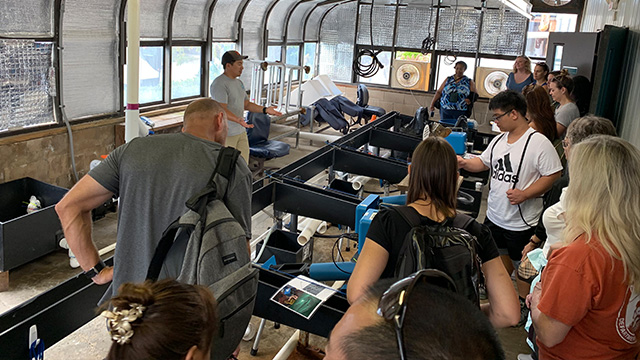
The white seabass, Atractoscion nobilis, is a member of the family Sciaenidae, which includes croakers and drums. Atractoscion nobilis have numerous aquaculture characteristics desirable for commercialization, including excellent market appeal. Consumer and market surveys of farmed A. nobilis have consistently yielded reviews of ‘good to excellent’ when rated for taste, texture, appearance, and freshness. Wild adult A. nobilis adapt readily to captivity, […]